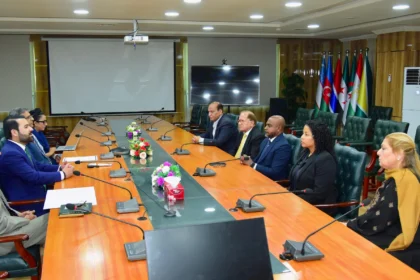




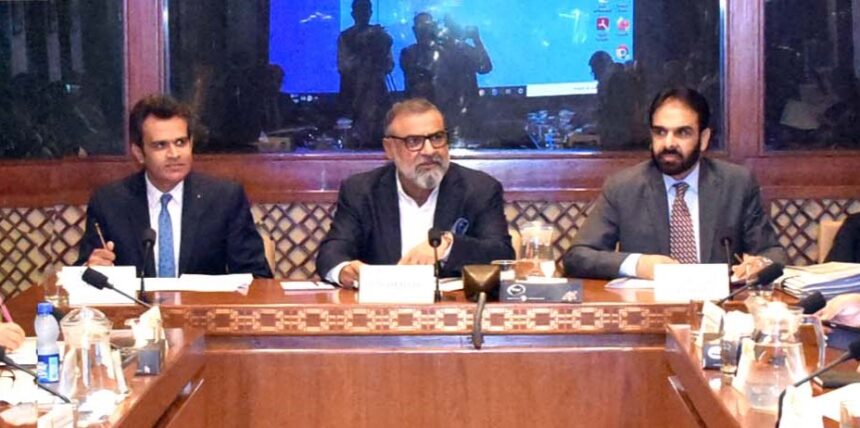
The Senate Standing Committee on National Health Services held a robust session that focused on urgent healthcare challenges, including the exodus of medical professionals and the fate of idle infrastructure from the pandemic era. Committee members raised alarm at the growing brain drain, highlighting cases such as a post-graduate trainee working 93 hours a week for pay equivalent to roughly 300 PKR per day, and noting that many young Pakistani doctors are relocating abroad, with Ireland cited frequently as a destination. Members warned that current government salaries cannot match international opportunities and urged structural changes to retain talent.
The Health Minister acknowledged the severity of the problem and told the committee that only a liberalised, insurance-driven healthcare market could create the financial incentives needed to keep skilled professionals in Pakistan. The committee also deferred a sensitive report on medicine pricing and new drug registrations, agreeing with the ministry to review those matters in an in-camera session to allow candid discussion of regulatory and commercial complexities.
In a move affecting aspiring medical students nationwide, the ministry announced an extension of the Medical and Dental College Admission Test registration deadline from October 5 to October 25, 2025. The extension, granted after requests from student bodies and provincial authorities, aims to ease administrative bottlenecks and give candidates extra time to complete applications.
The committee reviewed the status of the China-Pakistan Friendship Hospital (IHITC), a fully equipped 276 bed facility with 86 ventilators that has remained non-operational for nearly three years since its completion during the COVID-19 pandemic. Officials confirmed the hospital has now been formally handed over to the Pakistan Institute of Medical Sciences (PIMS). To avoid further bureaucratic delay and ensure effective use of the asset, the government plans to manage the hospital under a philanthropic-public partnership model, with operational details to be finalised in the coming months.
Throughout the session the committee stressed that practical reforms are essential: realistic funding models, modernised governance, and efficient use of existing infrastructure are needed to prevent the collapse of public services. Members agreed that stabilising pay, retaining medical talent, and bringing idle facilities like the COVID hospital into service must be priorities for any sustainable improvement in Pakistan’s healthcare system.