



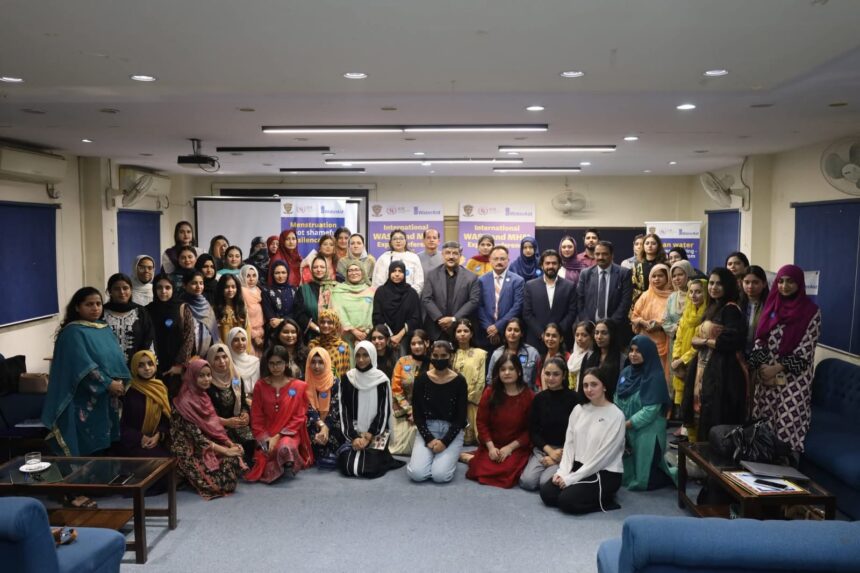
The International WASH and MHM Expo-Conference 2025 in Lahore moved from opening momentum into concentrated discussions on expanding inclusive and dignified water, sanitation and menstrual health services across Pakistan. Sessions opened with the presentation of key findings from the latest MICS survey, which highlighted persistent gaps in access and urged renewed policy focus and resource allocation.
Panel conversations convened representatives from sports, civil society, academia and human rights organisations, demonstrating how diverse sectors can collaborate to empower communities. Speakers affirmed that partnerships between local groups and national stakeholders are critical to achieving sustainable service delivery and ensuring menstrual health is treated as an essential component of WASH policy.
Delegates heard perspectives from organisations including WaterAid, UNICEF Pakistan, Khawaja Sira Society, IDEA Think Tank, AGAHE Pakistan and Allah Walay Trust Pakistan, among others, that stressed system-strengthening and community-led solutions. These contributions underscored the importance of culturally sensitive approaches and targeted interventions to reach marginalised groups.
A keynote address by Dr. Lisa McClain, Professor of History & Gender Studies at Boise State University, offered international insight into improving awareness and inclusive access to menstrual health in university settings, pointing to lessons that can be adapted for Pakistani campuses and public institutions.
The conference concluded with scientific sessions where researchers presented evidence-based papers on WASH and MHM innovations. Organisers and participants noted that these findings will inform future programming, policy debates and practical interventions, bringing Pakistan closer to resilient, equitable services.
Throughout the event, the WASH and MHM focus remained on translating evidence into action, building cross-sector partnerships and centring the needs of communities to achieve lasting improvements in water, sanitation and menstrual health access nationwide.