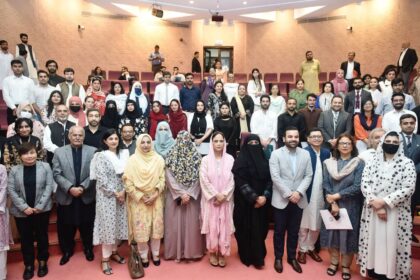




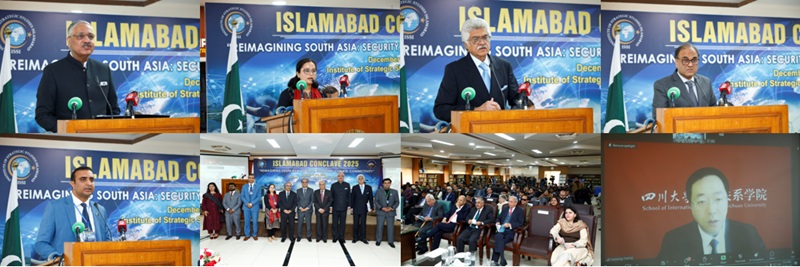
The Institute of Strategic Studies Islamabad hosted the first working session of Islamabad Conclave 2025 with the India Study Centre leading a discussion on South Asian Regional Security Order Amid Evolving Multipolarity. Senior policymakers, diplomats and regional experts examined how shifting global power dynamics are reshaping security calculus across the subcontinent and what that means for Pakistan and its neighbours.
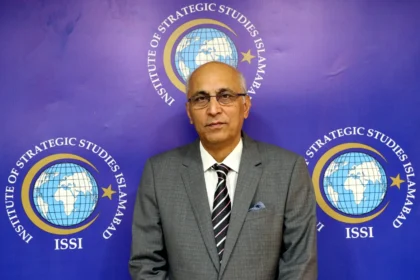
General Zubair Mahmood Hayat delivered the keynote address, arguing that the world’s return to multipolarity is being driven by factors such as digital independence, climate stress and the rise of civilizational states. He said South Asia now sits at the centre of this transformation yet lacks an independent and self-sustained security system, underlining the urgency of rethinking conventional approaches to South Asian security.
Gen Hayat warned that smaller South Asian states face a paradox when navigating rapid power shifts: hedging among major players can enhance sovereignty while at the same time exposing new vulnerabilities. He urged major powers to refrain from fuelling regional militarisation and to instead assist states in the region to build their own problem solving capacities, especially to manage shared non-traditional threats like climate change, water stress and pandemics.
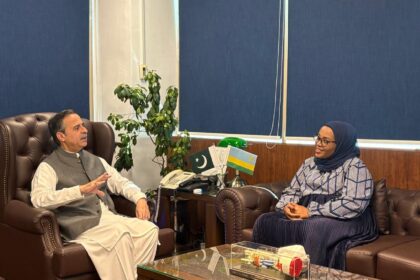
In his welcome remarks, Dr Khurram Abbas of the India Study Centre highlighted renewed global interest in South Asia, ongoing political transitions in the region and an absence of meaningful regional integration as drivers of the present geopolitical environment. Ambassador Imran Ahmed Siddiqui cautioned that rising hegemonic impulses and the use of foreign policy for domestic political advantage are major obstacles to pragmatic cooperation among neighbours.
Former diplomat Zamir Akram observed that the presence of multiple global powers presents both opportunities and risks, suggesting that balanced US China Russia engagement could help stabilise South Asia while noting that border tensions among nuclear neighbours remain a serious concern. Nepalese expert Dr Shilata Pokharel said smaller states such as Nepal, Maldives and Bhutan are trying to maximise gains from great power competition, and Professor Huang Yunsong urged governments to move beyond traditional securitisation toward geo economic priorities and more inclusive regional cooperation.
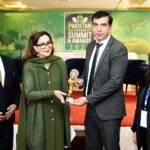
The session concluded with mementos presented to the speakers by Ambassador Khalid Mahmood, Chairman Board of Governors ISSI. Participants stressed that practical steps to enhance institutional resilience, deepen dialogue and address shared challenges are essential to a credible South Asian security framework that serves the region’s interests.