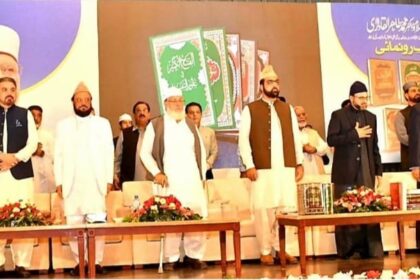
On 5 December 2025 in Islamabad, a national-level stakeholder consultative meeting jointly hosted by HSA and UNFPA Pakistan brought together provincial and national leaders to review the BS Midwifery Institutional Accreditation Checklist and align efforts to strengthen midwifery education across the country.
Speakers at the event included Dr. Sabeen Afzal, Joint Executive Director, FGPC/ Ministry of National Health Services, Regulations & Coordination Islamabad, and Dr. Syed Sadiq Shah, DG Health GB. Other contributors were Dr. Beenish, ADI Ministry of National Health Services, Regulations & Coordination Islamabad, Dr. Farhat Shaheen, Director MCH, AJK, Ms. Akhtar Bano, DGN KP, Dr. Mariyam Sarfraz, Professor and Dean, School of Nursing and Midwifery, HSA, and Dr. Naila Yasmeen, Program Analyst, UNFPA Pakistan.
Participants emphasised the urgent need for clear accreditation standards, stronger governance and improved support systems so that midwifery institutions can consistently deliver education that meets both national and global standards. The review focused on practical changes to the BS Midwifery checklist that would raise academic quality, strengthen clinical training and ensure uniform requirements across provinces.
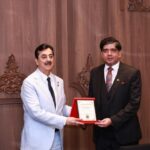
The meeting concluded with remarks from Mr. Asif ullah Khan, Secretary Health, Gilgit Baltistan, who highlighted the national importance of strengthening midwifery education and the role of quality assurance and capacity building in improving maternal and newborn health indicators. He reaffirmed leadership commitment to advancing this agenda and supporting implementation at provincial and institutional levels.
Attendees agreed that coordinated action on accreditation, governance and resource support is essential to advance midwifery education in Pakistan. Strengthening midwifery education remains central to ensuring respectful, high quality care for women and newborns and to securing better maternal and newborn outcomes from the first moments of life.