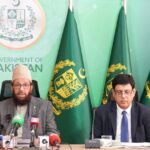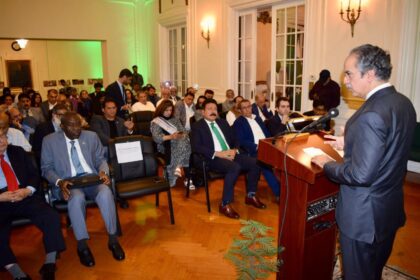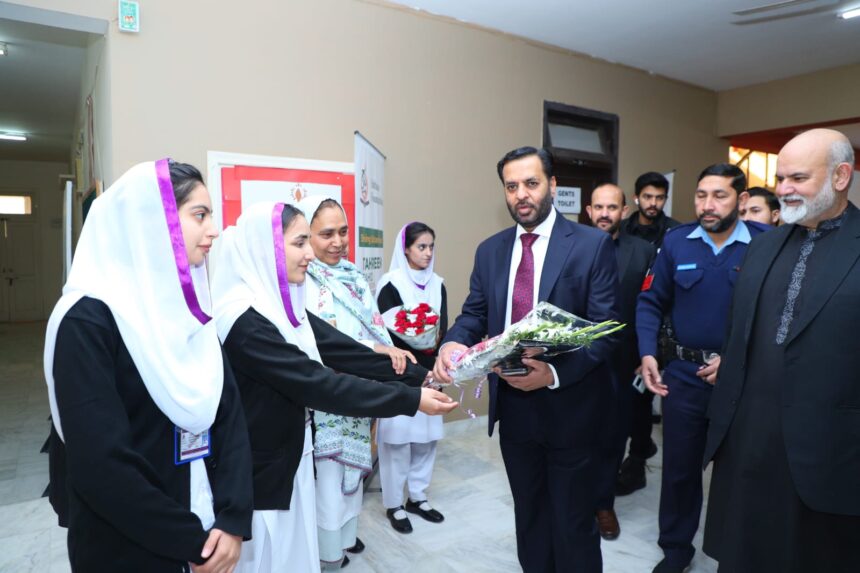
Mustafa Kamal praised the long-standing work of the Sultana Foundation in education and health and highlighted the vital role of nursing staff and paramedical teams in Pakistan’s healthcare system. He noted that while doctors have limited contact with patients, nursing staff and paramedical workers often remain at the bedside for nearly 23 hours a day, making them the backbone of day-to-day patient care.
He urged healthcare workers to treat patients with compassion and kindness, stressing that hospitals are places where people come in severe pain and distress. Serving suffering humanity was described as one of the noblest acts, with moral and spiritual rewards that extend beyond this life.
Kamal called for collective action to bring meaningful improvements to the health sector, underlining that responsibility extends beyond government institutions. The private sector is playing an increasingly important role in healthcare delivery, and collaborative efforts are needed to ensure services reach all communities. He emphasized that healthcare must prioritize prevention as much as cure.
Turning to public health challenges, he drew attention to the lack of a comprehensive sewage treatment system in the country and cited experts who estimate that nearly 70 percent of diseases spread through contaminated water. Ensuring access to clean drinking water could reduce the burden of disease by up to 70 percent and must be a national priority.
Mustafa Kamal warned that uncontrolled population growth remains a major hurdle to national development and urged policies that manage growth in line with available resources. He noted that roughly 6.1 million children are born in Pakistan each year, reinforcing the need for planning and resource allocation.
On preventive healthcare, he urged parents to ensure children receive vaccines against thirteen diseases, reminding the public that the government provides these vaccines free of cost. He said misconceptions and fears about vaccination must be addressed through sustained awareness and education so that families can make informed decisions for their children.
Highlighting polio eradication, Kamal observed that Pakistan remains one of two countries where polio has not yet been eliminated. He stressed the urgent need to educate and convince hesitant communities to ensure children are protected against polio through vaccination.
Improving the health sector, he concluded, is a shared responsibility of government, private providers and the public. Strengthening support for nursing staff, expanding preventive measures like vaccination and clean water access, and coordinated public education are essential steps to protect communities from preventable diseases.