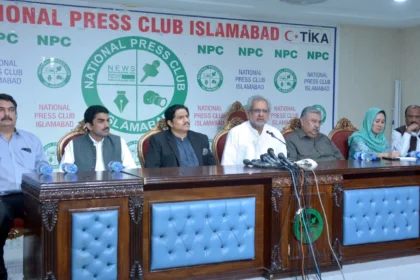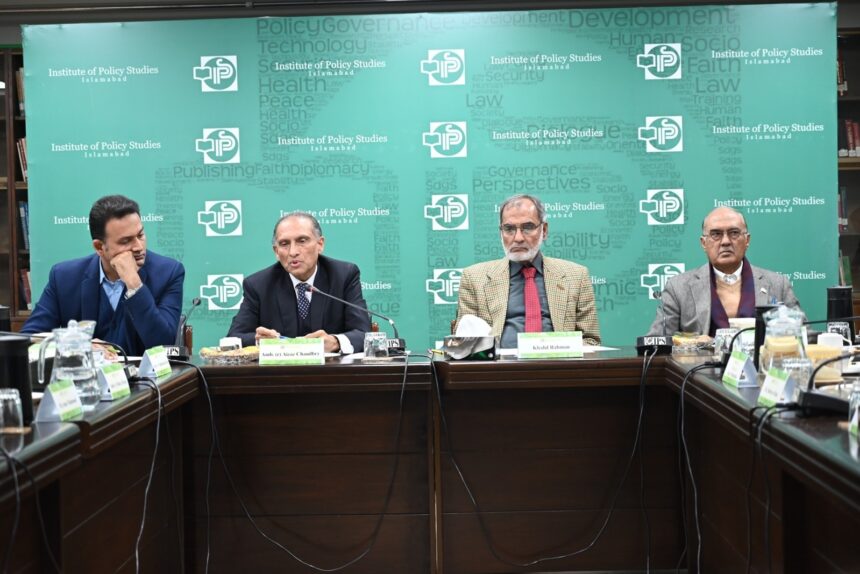
At a session held at the Institute of Policy Studies in Islamabad on January 29, experts warned that a rupturing global order demands strategic clarity and national unity from Pakistan as multilateral norms give way to multipolar competition and unilateral power politics.
Keynote remarks by Ambassador Aizaz Ahmad Chaudhry highlighted how the world is shifting from a rules-based framework toward multipolarity, driven by unilateralism and hyper-nationalism. He said the normalization of pre-emptive use of force outside multilateral structures and the rise of populist leadership have eroded global stability, producing widespread insecurity and accelerating arms accumulation among states.
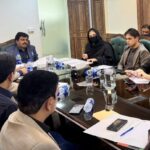
The discussion brought together former diplomats, academics and defense and economic specialists, including Khalid Rahman, Ambassador Naghmana Hashmi, Ambassador Moin ul Haque, Ambassador Masood Khalid, Lt Gen (r) Naeem Khalid Lodhi, Maj Gen (r) Raza Muhammad, Brig (r) Said Nazir, Prof Dr Shabana Fayyaz, Prof Dr Amna Mahmood, Dr Saira Nawaz Abbasi and Dr Shehryar Khan. Participants pointed to intensifying great power rivalry in the Asia Pacific, strains within transatlantic ties, evolving Russia-NATO dynamics and chronic crises in the Middle East as key fault lines shaping the new strategic landscape.
Speakers urged Pakistan to sharpen its strategic clarity by diversifying foreign policy options while preserving steady, transparent relations with major powers. They stressed that geopolitics alone will not secure national interests, and that internal cohesion, governance capacity and economic resilience now form essential elements of national power. Enhanced political harmony, strengthened state-citizen trust and a consolidated economic consensus were identified as prerequisites for effective diplomacy and long-term autonomy.
The panel recommended expanding engagement with middle powers and emerging regions such as Oceania, Northeast Asia and Southeast Asia to broaden diplomatic and economic opportunities. In recognition of 21st century shifts in the nature of power, participants called for investment in technological advancement, youth empowerment and the development of indigenous capabilities alongside traditional defence preparedness.
Concluding remarks emphasized that the current period of global instability brings both risks and opportunities for Pakistan. Navigating this environment, the experts said, will require prudence, strategic clarity, stronger negotiation capacity and a balance between domestic reform and external engagement to safeguard the country s interests in an increasingly fragmented world.