




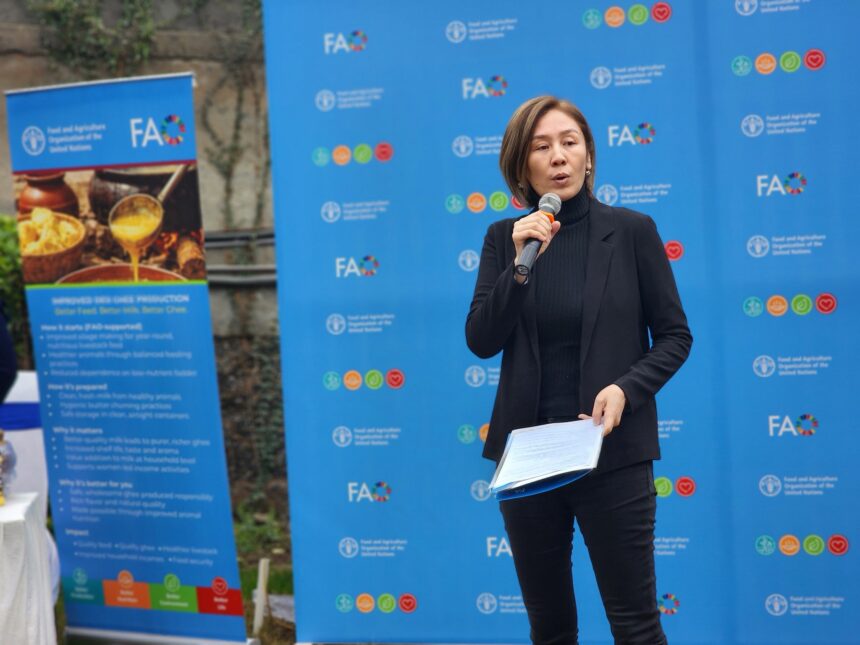
The Food and Agriculture Organization in Khyber Pakhtunkhwa organised a farmers market in Peshawar on 10 February to mark World Pulses Day, bringing farmers together with government officials, private sector buyers and development partners to promote pulses and climate-smart agriculture.
Pulses were highlighted as strategic crops for sustainable agrifood systems because they enrich soil through natural nitrogen fixation, lower reliance on chemical fertilisers and strengthen farm resilience. Given their suitability for marginal and rain-fed areas across Khyber Pakhtunkhwa, pulses present an opportunity to restore soil health, diversify diets and support climate-resilient livelihoods.
Across Pakistan pulses are cultivated on roughly 1.3 million hectares, yet domestic output has lagged behind rising demand, leaving the country a net importer of pulses. Event speakers and participants underlined the need to expand local production and improve market linkages so farmers can capture a larger share of national consumption.
The market showcased a variety of FAO-supported produce, including pulses and legumes, vegetables, edible oils, dairy and processed staples produced by farmers trained under FAO programmes. The display aimed to raise public awareness of sustainable production practices while creating direct connections between producers and buyers.
About 100 participants attended, representing government departments, restaurants, chambers of commerce, exporters, retailers and other high-value market actors. The event served as a platform for practical dialogue on quality standards, market requirements and opportunities for direct sourcing from farmers, reinforcing the importance of transparent value chains in boosting pulses trade.
FAO’s Head of Office, Kiyal Akmatbek, emphasised that “pulses and legumes—such as peas, red beans, mung beans, and soybeans—play a vital role in improving soil fertility, reducing production costs, and strengthening food and nutrition security” and reiterated FAO support through Farmer Field Schools, improved agronomic practices and climate-smart cropping systems.
Informational standees and demonstrations at the market illustrated FAO-supported good practices across value chains, from production and post-harvest handling to value addition, showing how these measures benefit farmers, consumers and the environment. Observed globally on 10 February, World Pulses Day provided a timely reminder of the role pulses can play in advancing resilient and inclusive agrifood systems in Pakistan.