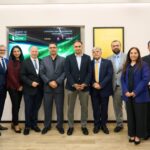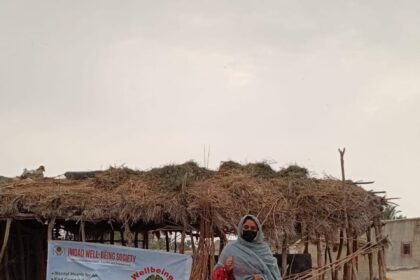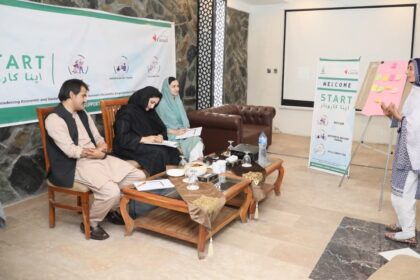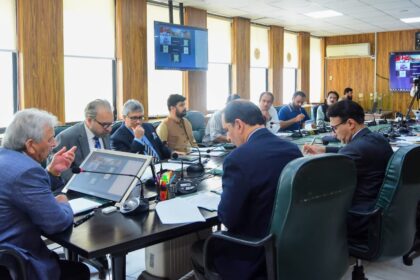




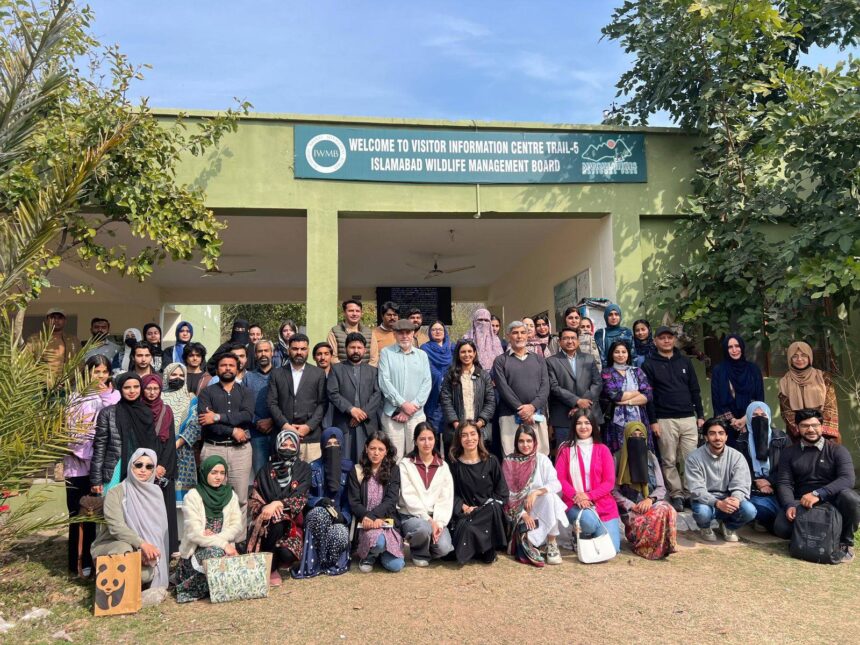
On World Pangolin Day the Islamabad Wildlife Management Board brought together partners to strengthen pangolin conservation in the capital. The awareness and engagement session, organised in collaboration with WWF and Pir Mehr Ali Shah Arid Agriculture University, formed part of the Pangolin Conservation Project and the Combatting Wildlife Trafficking in Pakistan initiative.
Representatives from the British High Commission in Islamabad, including Nimra Zaheer who leads Climate, Nature and Humanitarian work there, joined academics from Quaid i Azam University, conservation practitioners, students and members of local communities to discuss coordinated responses to illegal wildlife trade. Their presence highlighted growing international and local support for pangolin conservation across Pakistan.
Speakers underlined the ecological role of pangolins and detailed protection measures being pursued in the capital territory. The session emphasised the urgent need for stronger policies, better enforcement and community engagement to curb wildlife trafficking and ensure long term protection for the species.
Participants were given the opportunity to visit rescued pangolins at the local rescue centre, where veterinary and rehabilitation teams are preparing the animals for release back into secure habitats in the coming weeks. The visit showcased practical steps in rescue, rehabilitation and release that complement public awareness efforts.
The event reinforced that sustained pangolin conservation depends on combined action from government bodies, international partners, universities and communities. Continued collaboration and public awareness remain central to safeguarding Pakistan’s biodiversity and stemming the illegal trade in the world’s most trafficked mammals.