



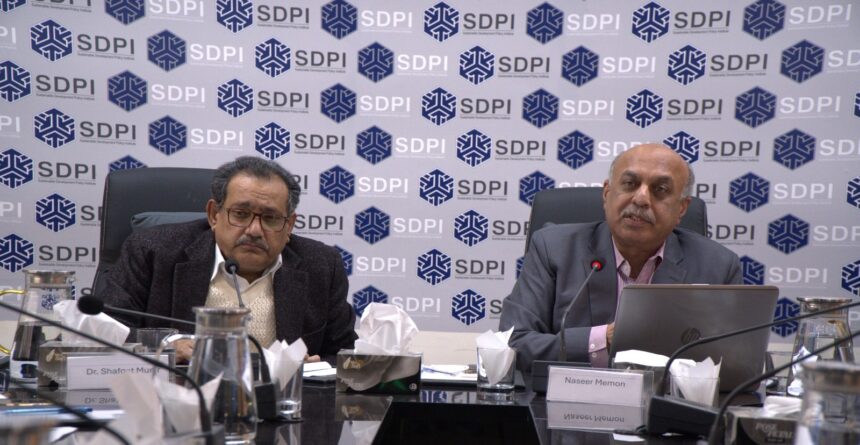
At a Special Talk in Islamabad on 13 April 2026, Naseer Memon, senior advisor at the Sustainable Development Policy Institute, warned that groundwater depletion across Pakistan has reached dangerous levels and urged immediate legislation on groundwater extraction for commercial purposes.
Memon highlighted that the Indus Basin aquifer, which underpins much of the country, is now ranked the second most over-stressed underground water reserve in the world, a situation that demands urgent policy action and stronger groundwater regulation.
Rapid urban growth is amplifying demand: the urban population rose from about 46 million in 1997 to roughly 94 million by 2023, a surge that Memon described as the single largest challenge to water security and a key driver of increased groundwater extraction.
Regional data underline the crisis. In Quetta the water table has fallen from around 50 metres in 2000 to over 150 metres by 2023. Lahore’s groundwater declines at an average of 2.61 feet per year, Rawalpindi has lost roughly 30 feet since 2013, and Karachi currently receives about 650 million gallons per day against a daily demand exceeding 1,200 million gallons.
Systemic losses compound scarcity: an estimated 35 to 40 percent of piped water is lost to leakages and theft. Agriculture accounts for more than 90 percent of groundwater withdrawals, with over 60 percent of irrigation in the Indus Basin reliant on pumping. The number of agricultural tubewells in Punjab climbed from 334,000 in 1994 to more than 1.2 million by 2024, collectively withdrawing an estimated 51 million acre-feet of groundwater annually.
Over-extraction has driven water tables below six metres in more than half of irrigated areas, raising alarm about long-term sustainability. Memon pressed for clear rules and enforcement on commercial groundwater use, arguing that groundwater regulation must cover extraction permits, monitoring and penalties to prevent further collapse of aquifers.
He recommended practical measures to restore and conserve underground reserves, including sponge-city principles in urban planning, managed aquifer recharge, expanded rainwater harvesting, and the use of flood channels, wetlands and natural depressions to store and recharge floodwater.
Dr Shafqat Munir, deputy executive director of SDPI, introduced Memon and underlined that groundwater is not merely a natural commodity but a resource tied directly to policy and governance. He said wastage cannot be tolerated and called on authorities to treat groundwater depletion as a matter of grave public concern requiring coordinated policy responses.