



A coalition of energy experts in Islamabad says Pakistan’s growing dependence on imported oil, diesel and gas is undermining the economy and exposing the country to geopolitical shocks, and it calls for an urgent move to renewable energy and durable policy reform.
The Energy Security Charter, developed by members of the Pakistan Renewable Energy Coalition and the Alliance for Climate Justice and Clean Energy, highlights structural weaknesses in the national energy system recently exposed by regional instability. The Charter warns that continued reliance on fossil fuels has deepened pressure on foreign exchange reserves and amplified environmental harm.
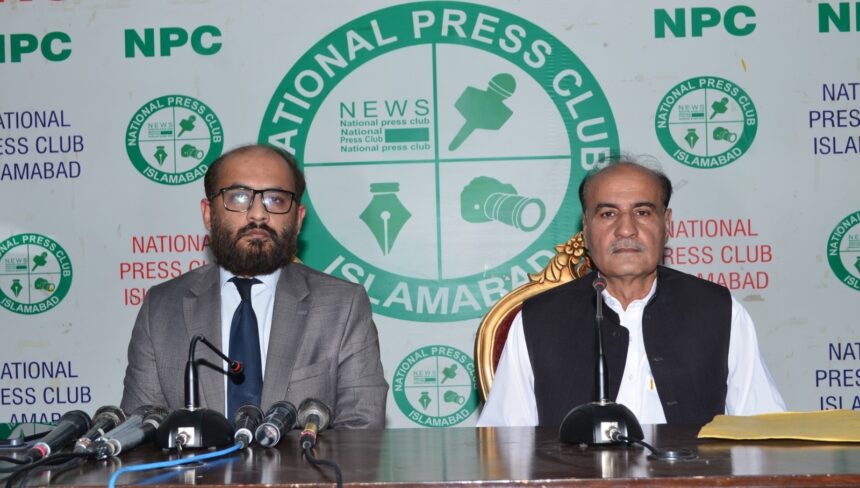
Dr. Khalid Waleed of the coalition urged immediate investment in energy storage solutions such as battery energy storage systems (BESS) to complement solar and wind projects. The Charter recommends removing taxes and duties on BESS and related equipment to accelerate deployment at both grid and end-user levels, arguing this will reduce fuel imports and strengthen Pakistan’s resilience.
Khadim Hussain criticised the dismantling of the previous net metering regime and the imposition of a 10% GST on solar energy, saying these measures have erected barriers for rural households and small businesses seeking reliable, affordable power. Restoring net metering is presented as a practical step to incentivise rooftop solar and reduce grid dependence.
The Charter also calls for halting further expansion of fossil fuel infrastructure and large hydropower projects that risk environmental damage and long-term fiscal burdens. It recommends reviewing and cancelling contracts with independent power producers that rely on fossil fuels and generate heavy capacity payments, and redirecting public funds toward renewables and storage to avoid ongoing fiscal strain.
To decarbonise transport and cut fuel imports the coalition urges the government to prioritise domestic electric vehicle manufacturing and build a national charging infrastructure, including fiscal incentives for local producers and measures to support widespread EV adoption. The Charter further emphasises integrating community-based renewables such as mini-grids and solar sharing collectives to ensure clean energy reaches underserved and rural areas.
Experts also call for renegotiating agreements with international lenders, including addressing climate and energy risks within IMF loan programs so financing supports the country’s renewable energy transition and climate resilience rather than locking in fossil fuel dependency.
The Charter presents a roadmap for policy change that places environmental sustainability, energy independence and social equity at the centre of Pakistan’s energy strategy, urging swift action to secure a cleaner, more resilient energy future built on renewable energy and storage solutions.