



Experts, lawmakers and policy analysts in Islamabad urged Pakistan to take an active lead in promoting the appointment of the first woman UN Secretary-General, calling for a clear national strategy, institutional reforms and international coalition-building ahead of the 2026 selection process.
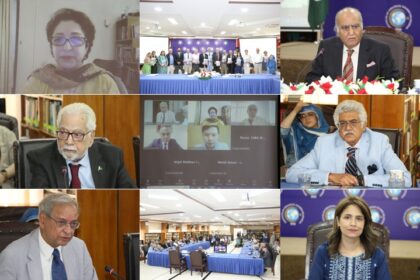
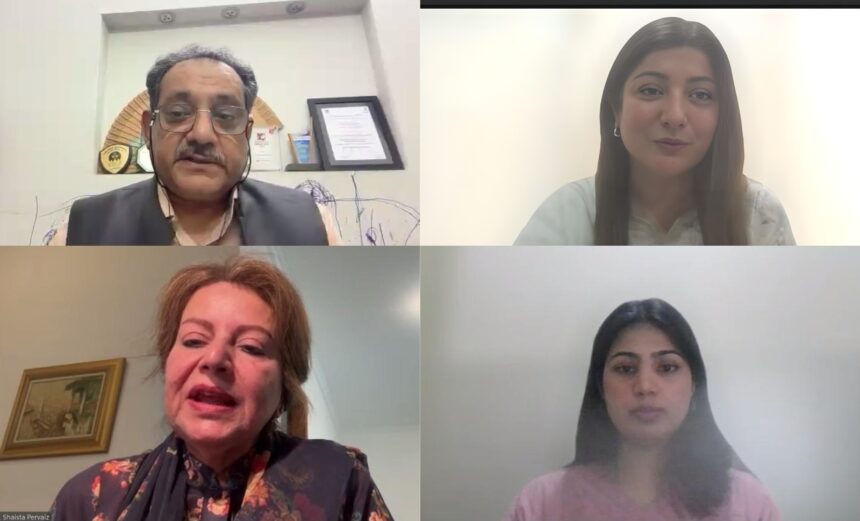
The call came during a webinar hosted by the Sustainable Development Policy Institute and Southern Voice under the banner “One for 8 Billion: Advancing Women’s Leadership in the UN Secretary General Selection”, where participants stressed that securing a woman UN Secretary-General requires political will as much as advocacy.
Shaista Parvez Malik, convener of the Parliamentary Taskforce for SDGs and member of the National Assembly, framed the challenge as one of power and process rather than merit and urged stakeholders to move from statements to a concrete, time-bound action plan. She recommended a coordinated roadmap involving the Government of Pakistan, diplomatic missions and UN representatives to actively support a credible female candidate while demanding transparency in the selection mechanics.
Dr Shafqat Munir, SDPI deputy executive director (policy), argued that the primary obstacle to a woman UN Secretary-General is entrenched gender profiling within global institutions. He pointed to women who have led major UN bodies in the region as evidence that capable candidates exist and urged profiling leadership roles by competency rather than gender alongside broader UN reforms to dismantle structural bias.
Humaira Mufti of the National Commission on the Status of Women emphasised that domestic advocacy must align with Pakistan’s foreign policy and diplomatic capacity. She suggested formal endorsement of strong female candidates and early engagement with regional and political groupings such as the G77, OIC and Asia-Pacific blocs to build consensus and mobilise sustained diplomatic lobbying and resources.
Dr Humaira Ashfaq of International Islamic University Islamabad urged long-term change through education, calling for curriculum reforms that foreground women leaders, inclusive classroom practices and institutionalised mentorship programmes to prepare future candidates. She warned that addressing the “hidden curriculum” of social attitudes is essential to widen the pipeline for leadership roles that could feed a bid for a woman UN Secretary-General.
SDPI researcher Ayesha Naeem presented the institute’s study “1for8 Billion: Advancing Gender Inclusive Leadership in the Campaign for UN Secretary General”, which highlights the opacity of the current selection process and the disproportionate influence of permanent Security Council members. The study recommends curbing backroom decision-making, ensuring multiple candidates are presented to the General Assembly and advocating for a single non-renewable term to reduce political dependence on powerful states.
Speakers noted Pakistan’s strategic opportunity as a current non-permanent member of the UN Security Council to influence procedures and mobilise support among other members. They urged the government to use its seat to promote gender parity, push for procedural reforms that increase accountability and to initiate early, coordinated diplomatic outreach aimed at making a woman UN Secretary-General a realistic outcome in 2026.