



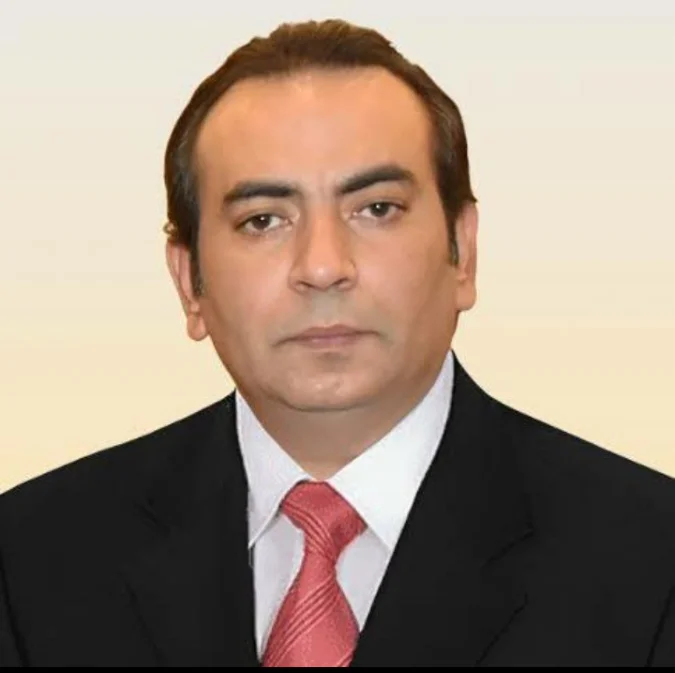
FPCCI President Atif Ikram Sheikh has called for making reduction in the cost of doing business and energy tariffs an essential part of economic policy in the ongoing talks with the International Monetary Fund (IMF) mission.
In an important statement regarding the IMF negotiations, Sheikh said the agenda of reducing business costs should be included in the talks on a priority basis. He said that, along with economic stability, it was necessary to ensure a business environment conducive to industry and trade.
He said the IMF programme should focus not only on macroeconomic stability but also on growth and the competitiveness of the private sector. He added that expensive electricity and high energy costs had affected the competitiveness of industry.
The FPCCI president said provision of competitive electricity and gas tariffs to the industrial sector was essential for increasing exports. He said that without stability in energy prices, it would be difficult to improve production costs and export competitiveness.
Sheikh said reforms in the energy sector should be carried out alongside reduction in circular debt, but their burden should not be shifted to industry.
He said the costs of electricity, gas, financing and logistics would have to be reduced to increase exports. He added that a comprehensive strategy was needed to increase exports and reduce dependence on imports in order to control the trade deficit.
The sustainable way to reduce the trade deficit, he said, was to enhance the production capacity and competitiveness of export-oriented industry.
Sheikh said the IMF programme should promote the productive economy instead of increasing unnecessary costs on the business sector. He maintained that the objective of economic reforms should not be limited to fiscal targets, but should also include sustainable economic growth and increase in employment.
He urged the government to formulate, in consultation with all stakeholders, an economic policy that ensures growth along with stability.