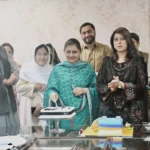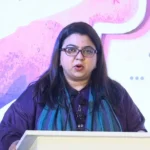





ISLAMABAD, Oct 28, 2026: Federal Minister for Climate Change Dr Musadik Malik has said that air pollution and smog hit poor and vulnerable communities the hardest, as people with means can protect themselves to some extent through air purifiers and other safeguards.
Speaking at the Pakistan National Clean Air Conference 2026, the federal minister said air pollution was a crisis created by human activity and policy choices, and its adverse impact on health and the economy was borne most by those with limited resources to protect themselves.
Dr Malik said Pakistan was facing economic losses equivalent to 6.5 per cent of its gross domestic product due to air pollution. He said these losses included illness, hospital treatment and financial pressure on affected families.
Highlighting the public health impact of polluted air, he referred to patients suffering from chronic obstructive pulmonary disease, who require oxygen and medicines. Citing a UNICEF report, he said air pollution was affecting children’s lung health and development.
The minister said the capacity to protect against air pollution was not equal across society. Affluent families could install air purifiers in their homes, but children going to school in polluted air and labourers earning a livelihood in the open were directly exposed to its effects.
He said pushcart vendors, farmers and others working outdoors were also affected by air pollution. Farmers who burned crop residue, he added, were not themselves protected from the pollution caused by the practice.
Dr Malik stressed that some individuals and communities involved in activities contributing to pollution also suffered from its harmful effects. He said practical steps were needed that addressed environmental challenges while also taking into account the economic conditions and livelihoods of affected populations.
The federal minister said air pollution should be treated as a policy issue rather than an unavoidable natural disaster. Industrial activity and human actions had contributed to the crisis, he said, adding that it could be addressed through effective policymaking.
Referring to the construction of the Karakoram Highway in difficult mountainous terrain and efforts to control dengue, he said complex problems could be resolved through commitment and effective action.
Citing China’s experience, Dr Malik said Beijing and Shanghai were once counted among the world’s most polluted cities, but China was now among the major exporters of solar energy technology.
He said Pakistan could also make progress in controlling air pollution through implementation of effective policies, modern technology and cooperation from development partners.
Dr Malik announced a plan to establish a $10 million fund for clean air startups. He said that despite limited resources, the government had decided to set up the fund from its own resources, while support had also been sought from development partners. He said approval of the fund’s board was expected the next day.
The minister described the proposed fund as a responsibility towards future generations, saying it was not merely a grant or loan but a commitment to protect the coming generations. He said the government would continue its clean air measures with or without the support of external partners.
He also appreciated the role of development partners, including the World Bank, Asian Development Bank, UNICEF and the German development agency GIZ, in climate action.
Dr Malik said the pursuit of clean air required a focus on engineering solutions, effective policies and provision of financial resources instead of mere slogans and announcements.
He reaffirmed the government’s commitment to implementing practical measures, in cooperation with development partners, to improve air quality, reduce pollution and protect public health.