



RAWALPINDI, Nov 11, 2026: Residents of Union Councils 30, 31 and 32 have expressed serious concern over the deteriorating sanitation situation in Mahmood Ali Shah, Chah Sultan, Amarpura, Mohallah Hakimdad and Zafarul Haq Road, questioning the performance of the Suthra Punjab Authority and demanding that the authority be abolished.
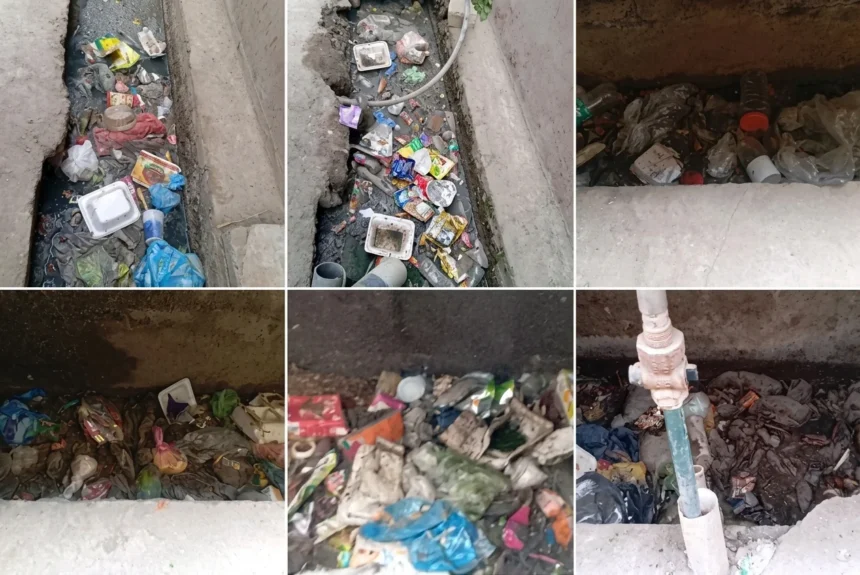
Pakistan Citizen Rights Movement Chairman Zaheer Ahmed Awan visited different localities on public complaints and pointed out heaps of garbage lying in drains, small nullahs and open plots. He said that despite repeated complaints, no effective cleanliness measures were being taken by the Suthra Punjab Authority.
He said the sanitation situation in the inner city had become extremely alarming. According to him, accumulation of garbage in drains and small nullahs had affected the drainage system, while stagnant dirty water was causing foul smell and increasing the presence of mosquitoes and flies, as well as the risk of dengue. Citizens, he added, were facing diseases and environmental problems due to the filth.
Zaheer Ahmed Awan further said that serious questions existed about the competence, appointments and performance of operational officers of Suthra Punjab. He called for ensuring environmental education, relevant degrees, diplomas and professional qualifications for appointments to concerned posts.
He also demanded a transparent inquiry into complaints that garbage was being burnt instead of being lifted, and that waste was being thrown into drains, nullahs, Nullah Leh and major drains.
On the occasion, area residents Ahmed Shah, Mian Pasha, Haji Ahmed and Irfan Bhatti appealed to Punjab Chief Minister Maryam Nawaz Sharif to launch an immediate special cleanliness operation on emergency basis in UCs 30, 31 and 32.
They demanded cleaning of all drains, small nullahs and open plots, an uninterrupted daily garbage collection system, and action against officers responsible for negligence.
The residents said that if the Suthra Punjab Authority had failed to provide the basic civic facility of cleanliness to the people, its usefulness and existing administrative structure should be reviewed, and the demand for its abolition should be considered seriously.
They questioned why streets, drains and neighbourhoods of Rawalpindi had turned into dumping sites despite the existence of an authority in the name of cleanliness.