




Dr. Javed Akram Urges National Response to Pakistan’s Hidden Obesity Crisis
Nadeem Tanoli
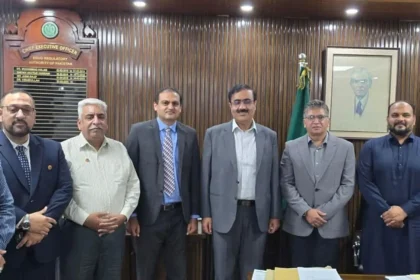
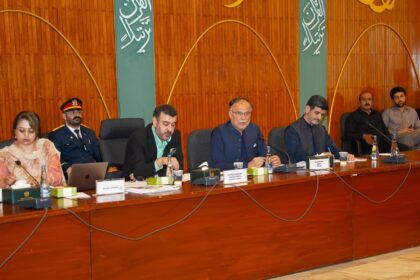
Islamabad: In a powerful call to action, Professor Dr. Javed Akram has urged stakeholders across Pakistan to treat obesity as a serious public health emergency rather than a lifestyle concern. Speaking at a gathering hosted by Novo Nordisk Pakistan, Dr. Akram addressed the alarming rise in obesity-related illnesses and emphasized the urgent need for preventive healthcare, early intervention, and policy reform.
Dr. Akram, a senior physician and former health leader, described obesity as a dangerous and underestimated epidemic afflicting millions across Pakistan. He highlighted how the condition is a major driver of non-communicable diseases such as diabetes, heart attacks, hypertension, infertility, and several forms of cancer. Yet despite its consequences, obesity is still socially accepted or ignored in many communities, particularly in rural areas.

Drawing on both personal research and national health data, Dr. Akram revealed that over half of school-aged children in Pakistan are either overweight or obese, regardless of whether they come from elite private schools or under-resourced public ones. He warned that childhood obesity lays the foundation for lifelong complications, including chronic illness and reduced life expectancy.
Addressing systemic problems, Dr. Akram criticized the absence of public infrastructure that supports a healthy lifestyle. He cited the lack of footpaths, safe parks, and walkable urban areas as key obstacles to promoting physical activity. He also condemned the widespread consumption of high-calorie processed foods and sugary drinks, noting that sugar remains subsidized in Pakistan, unlike in many countries where it is taxed due to its health risks.
He further emphasized that prevention must begin even before birth, stressing the role of antenatal care in reducing the future risk of obesity and related diseases in children. He warned that poor maternal nutrition and lack of prenatal support contribute significantly to the country’s growing health burden.
Dr. Akram expressed concern that healthcare professionals are often asked to implement public health strategies but are rarely consulted during policymaking. He noted the absence of decision-makers in health forums and called on the government to create policies grounded in medical evidence and population needs. He also underscored the religious and cultural basis for moderation in diet and lifestyle, referencing Islamic teachings as a foundation for healthier living.
Responding to questions from the audience, Dr. Akram explained that while obesity-related medications can be effective, they must only be prescribed by qualified professionals and used alongside lifestyle changes. He warned against misuse by untrained individuals and commercial beauty clinics, calling it a dangerous trend that undermines patient safety.
The speech concluded with a firm reminder that the obesity crisis cannot be solved through medicine alone. It demands mindset shifts, infrastructure reform, informed policy, and mass education. Dr. Akram thanked Novo Nordisk for uniting diverse voices in health and reiterated that lasting change requires collective action.