Reducing Poverty Through Skill Development and the Role of National Skills University
Professor Dr. Nadeem Iqbal, National Skills University Islamabad, Pakistan
Poverty is a global and national issue that hinders social, economic, and societal progress. In a developing country like Pakistan, the primary causes of poverty include unemployment, illiteracy, and a lack of skills. Skills significantly enhance individuals’ employability and play a vital role in achieving economic self-reliance and social development. Skilled individuals can secure job opportunities, increase their income, and meet their family’s basic needs, such as food, housing, education, and healthcare. The absence of skills often traps individuals in low-paying jobs or unemployment, a major contributor to poverty.
Technical and vocational skills create employment opportunities in industrial, agricultural, and service sectors. Skilled workers are in constant demand in fields like construction, IT, and healthcare. Skilled individuals can also launch their own businesses, such as tailoring, mechanics, or digital marketing, fostering economic independence. Skills in modern technologies, like artificial intelligence and nanotechnology, enable Pakistani workers to compete in global markets, contributing to foreign exchange earnings. With their income, skilled individuals can access better education and healthcare, helping their families break free from the cycle of poverty.
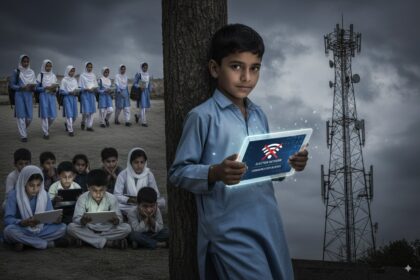
The National Skills University (NSU) in Islamabad, Pakistan’s first federal institution dedicated to technical and vocational education, plays a pivotal role in skill development to combat poverty. NSU offers market-driven courses in areas such as IT, machine learning, robotics, and healthcare, equipping students with cutting-edge technological skills that align with industry needs. By providing affordable education and training, along with scholarships and financial aid programs, NSU ensures access for low-income communities, enabling underprivileged students to pursue skill development. The university’s specialized programs for women, including handicrafts, digital marketing, and nursing, empower them to achieve economic independence, addressing gender disparities in employment.
NSU’s partnerships with local and international industries provide students with internships and hands-on training, bridging the gap between education and employment while enhancing job prospects. The university is also expanding its reach by establishing training centers in rural areas, ensuring that remote communities gain access to skill development opportunities, which is critical as rural areas often face higher poverty rates. Furthermore, NSU promotes research and innovation in fields like nanotechnology and artificial intelligence, fostering skills that drive economic growth and global competitiveness. By tailoring its programs to local and regional needs, NSU enables students to secure employment in their communities, directly contributing to poverty reduction. Skills training is crucial for boosting exports, as global markets demand advanced and specialized expertise.
NSU provides training in skills relevant to export-oriented sectors such as textiles, IT services, and agricultural product manufacturing. For instance, skills in web development, software engineering, and quality control allow Pakistani workers to deliver services to international companies, generating foreign exchange for the country. Additionally, digital skills like freelancing, graphic designing, and e-commerce are essential for earning income from home. NSU’s online courses and training programs enable individuals, particularly women and those in rural areas, to work remotely, offering flexible income opportunities that are transformative for marginalized groups. Through these initiatives, NSU not only makes individuals employable but also drives societal and economic transformation. By empowering poverty-affected communities with skill development, the university lays the foundation for a sustainable future, fostering economic growth and social stability. Through skill development, individuals improve their own lives, contribute to their families’ and communities’ progress, and strengthen the national economy, making NSU a cornerstone in the fight against poverty.