



Pakistan will introduce the HPV vaccine for the first time as part of a major national campaign to prevent cervical cancer, targeting 13 million girls between the ages of 9 and 14. The initiative aims to reduce the burden of one of the most common cancers affecting women in the country and marks a significant advancement in public health.
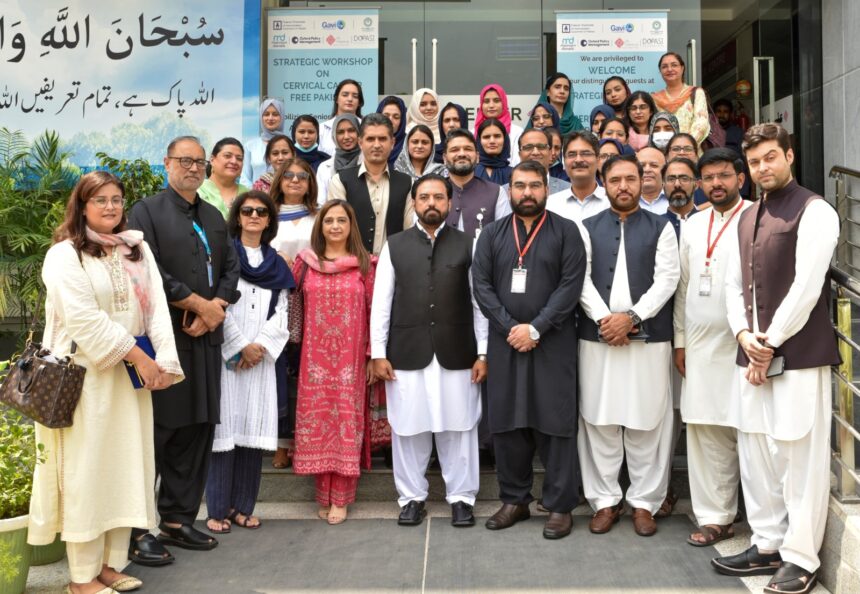
The campaign, set to take place across Punjab, Sindh, Islamabad, and Azad Jammu & Kashmir, will provide a single-dose HPV vaccine that offers effective protection against cervical cancer. This large-scale effort is being coordinated by the DOPASI Foundation in partnership with FDI and with support from Gavi, The Vaccine Alliance. The groups recently held a strategic workshop focused on building awareness about cervical cancer prevention and enlisting key stakeholders.
Medical professionals, private hospitals, and civil society organizations have been identified as central to the campaign’s success. According to Dr. Farhaj Uddin, Program Manager for the HPV Vaccination Campaign at DOPASI Foundation, effective advocacy and communication are essential to dispel myths, inform communities, and ensure that eligible girls receive the vaccine. Dr. Khurram Shahzad, Director Technical at FDI, further stressed that doctors’ influence will be vital in building public trust and countering vaccine misinformation.
The addition of the HPV vaccine to Pakistan’s basic immunization program was confirmed by Dr. Irshad Ali Jokhio, Director General of Health Services CDA. Dr. Rozeena Khalid from the World Health Organization emphasized the urgency of this move, stating that cervical cancer is the second most common cancer among Pakistani women and has a mortality rate higher than breast cancer. She stated that vaccinating adolescent girls can significantly reduce future cases and deaths.
Experts highlighted that although cervical cancer affects adult women, vaccination is most effective when given to girls under the age of 15. Over the next three years, Pakistan aims to reach a total of 18 million girls, a goal that will require coordinated action from healthcare providers and civil society.
Participants at the event expressed appreciation for the DOPASI Foundation’s role in community engagement and health awareness. Dr. Bilal Arshad, CEO of Ali Medical Hospital, noted that doctors will play a decisive role in the campaign’s outcome, given their influence and trust in the community.
With the launch of this campaign, Pakistan will become the 150th country worldwide to introduce the HPV vaccine. Health leaders hailed the initiative as a historic step towards protecting adolescent girls, reducing the threat of cervical cancer, and paving the way for a healthier future for all.