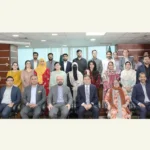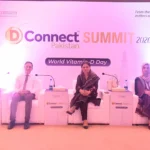




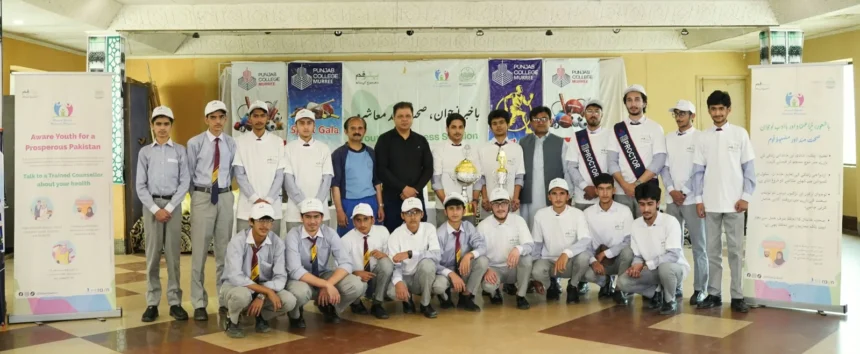
The Punjab Family Planning Program (PFPP), through its Behtarqadam programme, has reached an estimated 100,000 people directly and indirectly through 755 events and sessions across all 41 districts of Punjab by the end of September 2026.
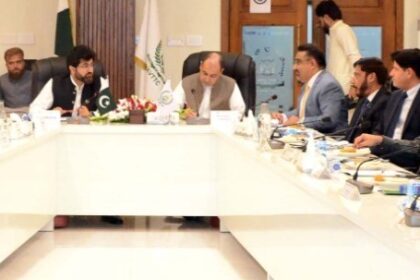
Implemented by the RIZ-Rayn Consortium, the programme has been promoting “Nayi Soch”, a renewed way of thinking about family wellbeing, since its launch. Its activities have included Sehat Melas, awareness sessions at universities and colleges, meetings with civil society organisations, non-governmental organisations and religious scholars, as well as sports events.
The programme focuses on promoting family wellbeing, with particular emphasis on maternal, newborn, child and youth health. Through awareness activities and interactive sessions, Behtarqadam engages communities by encouraging participants to learn about relevant topics, ask questions and take part in meaningful discussions.
According to the programme, its activities provide participants with opportunities to exchange perspectives, seek information and develop a better understanding of family wellbeing. By facilitating dialogue and encouraging active participation, Behtarqadam aims to make discussions around these issues more accessible and relevant to the communities it serves.
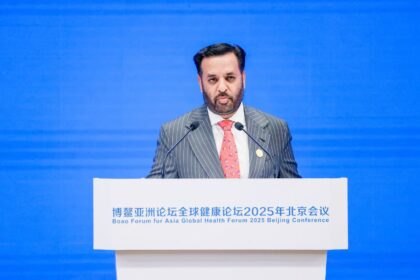
Commenting on the importance of family wellbeing, Dr Farrukh Amin, Additional Program Director at the Punjab Family Planning Program, said: “Building healthier families starts with access to the right information and the confidence to make informed decisions. Through Behtarqadam, we are reaching communities across Punjab and helping bring important conversations about family health and wellbeing into everyday life.”
The programme’s sessions also allow participants to engage directly with speakers and explore topics through questions and discussion.
A student who attended one of the sessions said: “What I liked most was that it didn’t feel like a lecture. We were encouraged to share our thoughts, ask questions, and talk openly about things we wouldn’t normally discuss. It made the session much more interesting and easier to relate to.”
Building on its progress so far, Behtarqadam will continue to expand opportunities for learning and discussion around family wellbeing. The programme aims to reach more communities and encourage meaningful dialogue, helping participants from diverse backgrounds strengthen their understanding of family wellbeing.