


Fee Cap Agreed, but Vacant Seats and Falling Demand Raise Questions as PMDC PAMI Deal Ends Court Battle
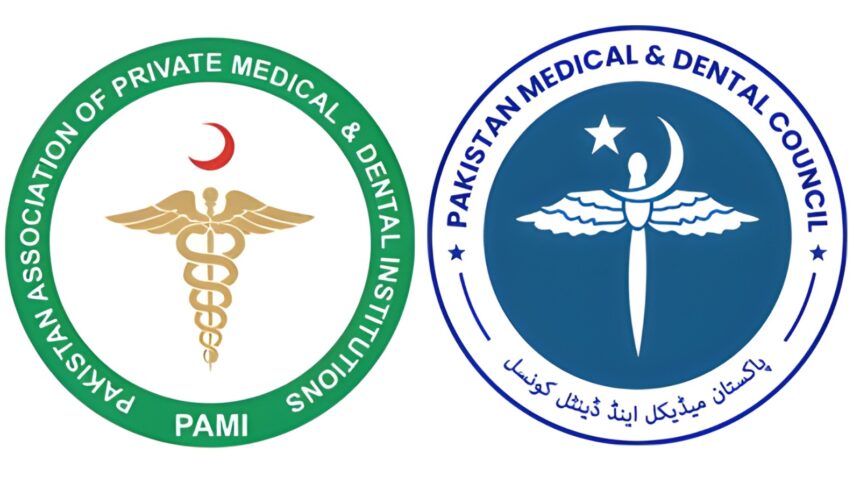
Islamabad: The agreement between the Pakistan Medical and Dental Council and the Pakistan Association of Medical Institutions to cap annual tuition fees for private medical and dental colleges at Rs 1.8 million has brought temporary relief to parents, but it has also exposed deeper structural problems in Pakistan’s private medical education sector, particularly the growing crisis of hundreds of vacant seats that remain unfilled across the country.
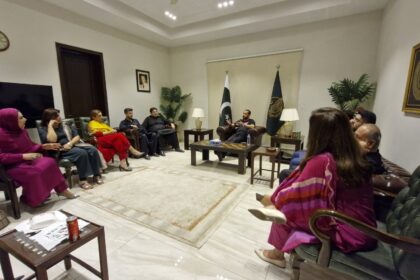
Members of the National Assembly Standing Committee on National Health Services, Regulations and Coordination have already expressed serious concerns over the issue, noting that more than 400 seats in private medical and dental colleges are currently vacant, despite the demand for medical education and repeated admission cycles. The matter was raised during committee proceedings, where lawmakers questioned whether high fees, rigid merit policies, and declining affordability have pushed students away from private institutions.
Against this backdrop, PAMI’s sudden decision to withdraw its petition from the Islamabad High Court challenging the fee cap has raised eyebrows. Observers within the health and education policy circles are questioning whether the association’s retreat reflects not compliance alone, but commercial pressure created by falling enrolments and unsold seats, particularly among MBBS aspirants who are unable or unwilling to pay previously demanded fees.
Under the joint declaration, PMDC and PAMI have fixed the annual tuition fee for MBBS and BDS programmes at Rs 1.8 million for the 2025–26 academic session, allowing a maximum annual increase of 5 percent. The fee cap applies strictly to tuition and does not include hostel charges, transport, university dues, or examination fees. PMDC has also limited the maximum allowable profit for private medical and dental colleges to 20 percent of revenue, warning that charging above the approved cap without authorization will be illegal and subject to regulatory action.
The agreement does allow colleges to seek conditional enhancement of fees up to Rs 2.5 million, but only on the basis of audited financial accounts, cost-per-student data, and formal regulatory approval. PMDC has made it clear that any institution charging fees beyond the approved ceiling without permission will face enforcement action.
The path to this agreement was contentious. PAMI had earlier argued before the Islamabad High Court that fee caps threatened institutional sustainability and proposed upper limits as high as Rs 3.2 million, insisting that PMDC lacked adequate financial justification. However, the withdrawal of the petition now appears to coincide with mounting evidence that private colleges are struggling to fill seats, undermining their bargaining position.
Parents and student groups have welcomed the fee cap as long overdue relief, pointing out that private medical education had become inaccessible for middle income families. Critics argue that while colleges justified higher fees in the name of quality, the reality is that expensive seats remained empty, while students either shifted to dentistry unwillingly or abandoned medical careers altogether.
Despite the agreement, enforcement remains a key challenge. Parliamentary members have already warned that some institutions may attempt to recover losses through hidden charges or ancillary fees, shifting the burden away from regulated tuition. The National Assembly health committee is expected to monitor implementation closely, particularly in light of vacant seats and declining admissions that could further destabilize the sector.
While PMDC and PAMI have pledged strict compliance in the interest of students and the public, lawmakers say the real test lies ahead. With hundreds of seats still empty and affordability now officially acknowledged as a barrier, the fee cap agreement has become not just a regulatory measure, but a litmus test for whether Pakistan’s private medical education model remains viable at all.
Copied From: Medical Fee Cap Forces Change in Private Colleges – Peak Point
Read in Urdu: فیس کی حد پر اتفاق، مگر خالی نشستیں اور گرتی طلب بڑے سوال بن گئیں