




The fifth edition of the Institute of Strategic Studies Islamabad Conclave began today under the theme Reimagining South Asia Security, Economy, Climate, Connectivity, with Deputy Prime Minister and Foreign Minister Senator Mohammad Ishaq Dar as the chief guest.
Director General ISSI Ambassador Sohail Mahmood welcomed participants from across South Asia and thanked the deputy prime minister for his presence. He said this year’s theme drew inspiration from his address at the ISSI Foundation Day in June 2025 and highlighted ISSI’s standing as a leading think tank, noting the institute’s research output in 2025 including five edited volumes, two special reports, and the presentation of the latest book Operation Bunyanum Marsoos.
Ambassador Sohail Mahmood argued that South Asia’s demographic weight and potential remain constrained by political fragmentation, weak regional architecture, unresolved disputes, transnational terrorism and climate vulnerabilities amid a shifting global order. He also pointed to opportunities in more confident regional actors, a dynamic youth population and supportive international partners, urging a shift from confrontation to cooperation, respect for sovereignty, trust building, new economic synergies and improvements in hard and soft connectivity.
In his inaugural remarks, Senator Mohammad Ishaq Dar called for urgent reimagining of cooperation across South Asia and commended ISSI for the timely theme. He referenced ongoing conflicts in the wider region and recalled the recent 92-hour crisis between India and Pakistan as a reminder of how quickly tensions can escalate. He warned that multilateralism faces growing strains and said Pakistan rejects bloc politics while prioritising dialogue as indispensable to peaceful coexistence. As an elected member of the UN Security Council, he said Pakistan remains engaged in collective efforts for international peace and security.
Senator Dar stressed that South Asia, home to over a quarter of the world’s population, confronts severe challenges from climate change, extreme weather, food insecurity and heavy reliance on imported oil, all compounded by weak economic integration. He urged regional cooperation on water management and the adoption of climate smart farming to strengthen resilience across the subcontinent.
On the security front, he described South Asia as a complex environment where three nuclear-armed states coexist amid unresolved interstate disputes, conventional and nuclear arms build-ups and deep trust deficits. Reiterating Pakistan’s position, he said a just and lasting solution to the Jammu and Kashmir dispute, in accordance with the aspirations of its people, is essential for sustainable peace. He recalled the May 2025 crisis and cautioned against any path that could lead to uncontrolled escalation, asserting that the idea of a single regional security provider is no longer tenable.
The inaugural session concluded with Ambassador Khalid Mahmood, chairman of ISSI’s Board of Governors, presenting a memento to Senator Ishaq Dar and handing over ISSI’s latest book Operation Bunyanum Marsoos: Deterrence, Doctrinal Shifts, and Strategic Stability in South Asia. The two-day Track 1.5 Islamabad Conclave brings together practitioners, scholars, experts and students for interactive discussions, expert analyses and policy recommendations on security, economy, climate and connectivity challenges facing the region.
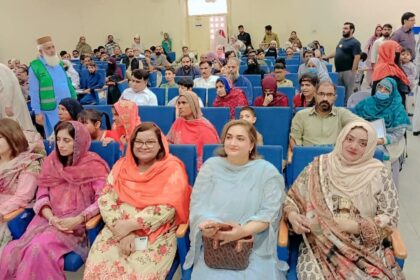
Speakers and delegates at the Islamabad Conclave emphasised that reimagining South Asia will require abandoning zero-sum thinking, building an architecture of cooperative regionalism and pursuing practical steps that can deliver peace with dignity and shared prosperity for the peoples of the region.