



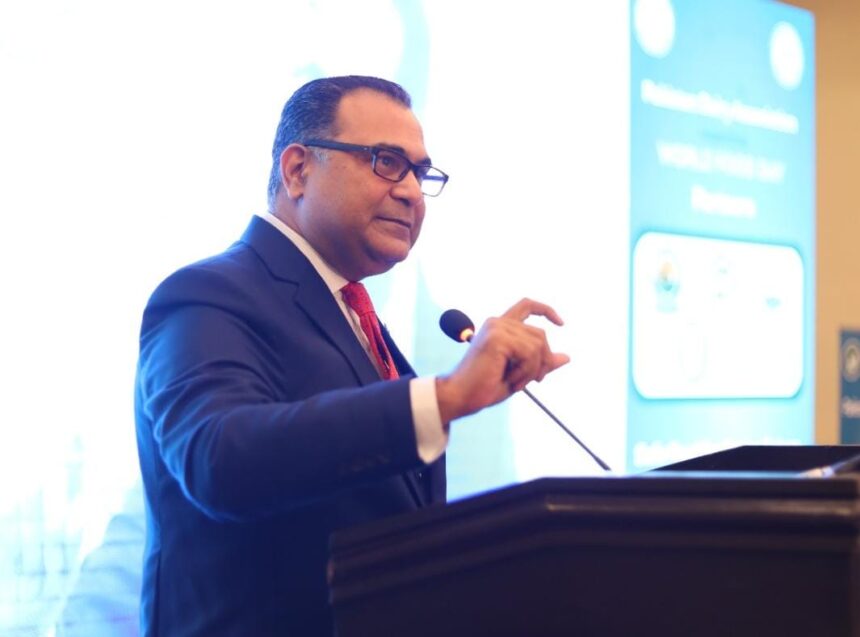
Dr. Shehzad Amin, Chief Executive Officer of the Pakistan Dairy Association, has warned that the recent laboratory findings on loose milk sold in Karachi represent a serious public health and food safety concern that needs immediate attention.
Samples collected by the Karachi Commissioner Office and the Sindh Food Authority were tested by the Pakistan Standards & Quality Control Authority, which found that out of 57 loose milk samples, 21 contained formalin, 8 contained phosphate, and all 57 failed microbiological testing. These results point to widespread unhygienic practices and adulteration across the informal milk supply chain.
Dr. Amin stressed that loose milk often lacks traceability, routine quality control, and proper temperature management, leaving it vulnerable to contamination and adulteration from farm to retail. He contrasted this with processed and packaged milk in the formal sector, which is subject to pasteurization or UHT treatment, ongoing quality testing, and regulatory oversight to safeguard consumer health.
The Pakistan Dairy Association reiterated its mission of safe milk for all and urged a gradual, structured transition of the informal sector into the formal dairy system to ensure consistent standards, consumer protection, and sustainable sector development. Dr. Amin also expressed appreciation for the proactive work of the Sindh Food Authority and Commissioner Karachi and acknowledged the leadership of Director General Shahzad Fazal Abbasi in addressing milk safety.
PDA called for stronger enforcement of hygiene standards, controls on adulteration, and the early implementation of a minimum pasteurization framework to protect households, especially children and the elderly, who rely on milk as a basic nutritional staple. The association also recommended sustained public awareness campaigns so consumers understand the health risks associated with loose milk and can make informed choices.
Dr. Amin urged consumers to opt for regulated dairy products where possible and reaffirmed PDA’s commitment to work with regulators, policymakers, and stakeholders to strengthen Pakistan’s dairy sector and deliver safe, nutritious milk to every family.