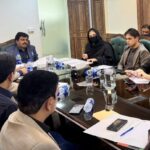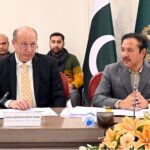




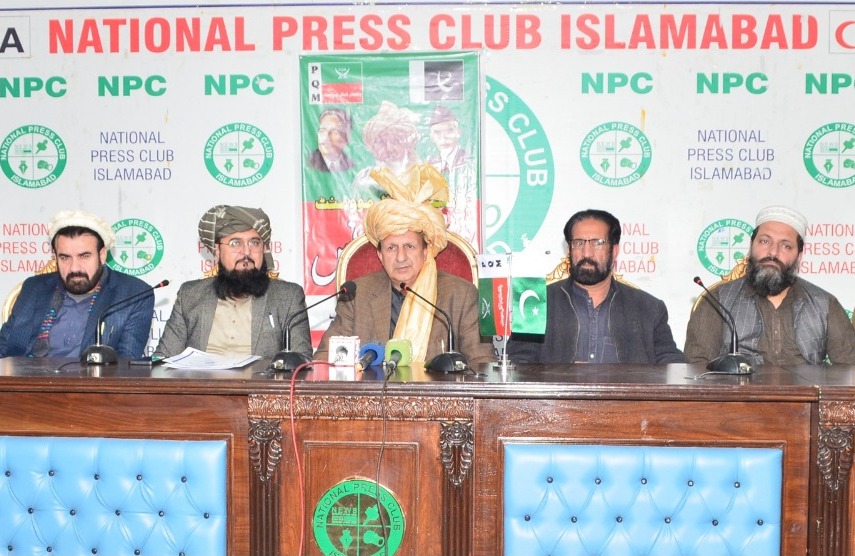
Asad Al-Ljaqani, central secretary general of the Pakistan Tribes Movement and Secretary General of Defence Pakistan, addressed journalists at the National Press Club in Islamabad to voice deep concerns over tribal welfare, Afghan policy and the operation in Tirah. He warned that weak policies on both sides of the 2,400 kilometre Pakistan-Afghanistan border have left Pashtun and other tribal communities facing severe social and economic hardship.
Speaking on behalf of the movement, Asad Al-Ljaqani emphasised that the bonds between Pakistani and Afghan tribes are rooted in kinship, tradition and faith and cannot be severed by external powers. He cited the resilience shown by tribes standing with Pakistan and urged that state responses must recognise and respect these ties while delivering justice and protection.
The Pakistan Tribes Movement criticised the treatment of displaced people and Afghan refugees, saying that many are confined to holding camps in Islamabad and Punjab where living conditions are dire. The movement held the federal and provincial governments responsible for failing to ensure humane conditions and called for immediate improvements.
Asad Al-Ljaqani raised alarm over long-delayed NADRA verification of identity cards for several tribal families, singling out Suleman Khel residents affected by land disputes in Zhob district and Sambaza tehsil who have been trapped in camps for months. He urged NADRA and relevant authorities to conclude verification decisions without further delay so verified citizens can resume honourable livelihoods.
The movement appealed directly to Interior Minister Mohsin Naqvi to instruct deputy commissioners to release Pakistani tribes currently held under verification and to ensure that genuine foreign nationals are processed and deported in accordance with the law. The call stressed a balance between security and protection of citizens’ rights.
Regarding the recent operation in Tirah, Pakistan Tribes Movement expressed strong concern about forced displacement during severe winter conditions. While the movement said it is not opposed to targeted security operations, it condemned any tactics that alienate tribal communities or paint them as hostile to the state.
On foreign policy, Asad Al-Ljaqani rejected any idea of Pakistan participating in external plans related to Gaza or recognising Israel, arguing such moves would contradict the founding principles of the country and the long-held stance that our soul is not for sale.
The Pakistan Tribes Movement also welcomed CPEC Phase Two as beneficial for Pakistan, China, Central Asia and the wider Muslim world, maintaining that stronger political will could have accelerated the project. Finally, the movement expressed deep sorrow over the Gul Plaza tragedy in Karachi, attributing the incident to failed provincial policies and offering prayers and condolences to the families of the victims.