



Four hospitals in Pakistan are finalising preparations to receive free childhood cancer medicines before the end of 2026 under an agreement between Pakistan and the World Health Organization. The deliveries, organised through the Global Platform for Access to Childhood Cancer Medicines, aim to improve access to quality treatment for a country that records more than 8,000 new childhood cancer cases each year.
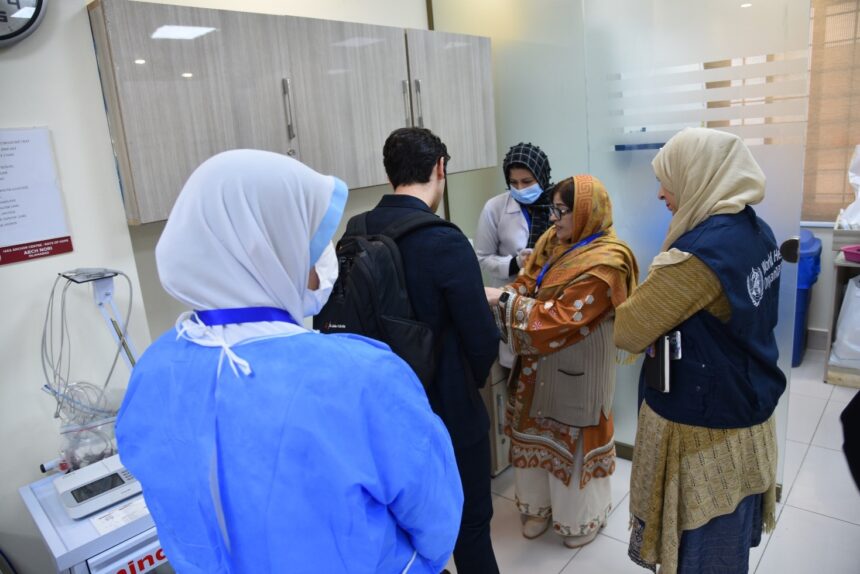
These hospitals are implementing recommendations from an international expert mission carried out by the Global Platform in August 2025. A second mission from 30 January to 6 February 2026 visited seven more centres, which are expected to complete technical upgrades and be ready to receive supplies in 2027. WHO and St. Jude Children’s Research Hospital experts visited Noori Hospital in Islamabad in February 2026 to assess readiness and provide guidance. Photo credit: Sara Akmal/WHO Pakistan
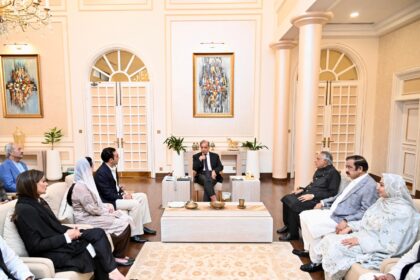
Pakistan formalised its participation in the Global Platform on 29 July 2025, becoming the second country in the World Health Organization Eastern Mediterranean Region to join the initiative co-founded by St. Jude and WHO in 2021. UNICEF will manage procurement and delivery of the quality-assured medicines to Pakistan under the agreement for childhood cancer medicines.
The programme aims to provide free-of-cost, quality-assured medicines across hospitals treating childhood cancer in Pakistan and to support the Ministry of Health and provincial authorities with technical advice and operational resources to strengthen services. The initiative targets raising the national survival rate from about 30% to 60% by 2030, addressing a key barrier: limited access to treatment compared with survival rates near 80% in higher-income countries.
Dr Luo Dapeng, WHO Representative in Pakistan, said, “Every child has the right to receive quality cancer treatment, regardless of their economic status, where they live or who they are. No child affected by cancer should die because of a lack of access to treatment.” The focus on childhood cancer medicines is part of a wider effort to save lives and leave no child behind.
Globally an estimated 400,000 children develop cancer each year, and nearly 90% of those cases occur in low- and middle-income countries where survival rates remain below 30%. The Global Platform partnership seeks to ensure an uninterrupted supply of certified medicines and to strengthen Pakistan’s health system so more children can access timely, effective care.