



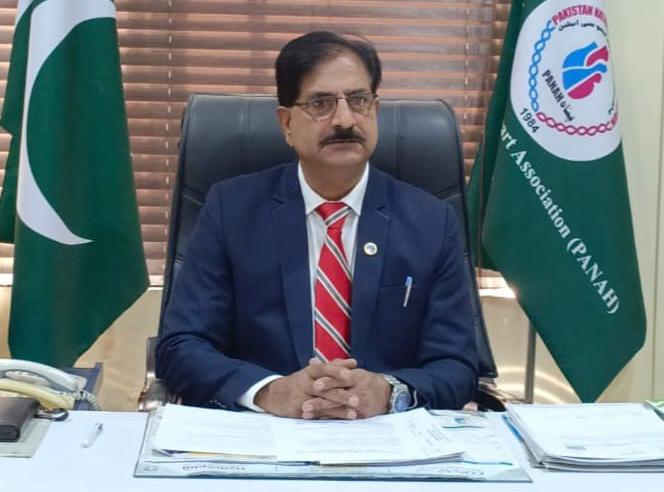
The Pakistan National Heart Association (PANAH), together with civil society groups and public health experts, has urged the government to increase taxes on tobacco, sugar-sweetened beverages and other ultra-processed products rather than imposing deep cuts on development spending for health and education amid rising fuel costs and global economic pressure.
Non-communicable diseases now account for nearly 58 percent of deaths in Pakistan, and diabetes affects more than 33 million adults. The country spends approximately USD 2.6 billion each year on diabetes treatment alone — a figure that PANAH notes is roughly double the IMF instalment Pakistan receives — while productivity losses, absenteeism and premature mortality further weaken the economy.
Sana Ullah Ghumman, General Secretary of PANAH, said it would be both unjust and economically short-sighted to ignore the substantial revenue potential of taxing non-essential, harmful products. He argued that tobacco, sweet drinks and many ultra-processed goods are drivers of disease and that targeted health taxation can raise funds without further burdening the most vulnerable.
International evidence supports higher taxes on tobacco and ultra-processed products as effective measures to reduce consumption, improve public health outcomes and generate government revenue. PANAH called for progressive health taxation policies focused on harmful products rather than broad fuel price hikes that drive inflation and disproportionately hit low-income households. The association highlighted that industry contributions in taxes are far less than the health care costs their products impose, in many cases amounting to less than one tenth of the expenditure caused by related diseases.
PANAH and its partners have demanded immediate government action to implement health taxation on tobacco and sugary drinks as a practical, evidence-based way to shore up public finances, limit preventable disease, and protect investments in human development for a healthier future in Pakistan.