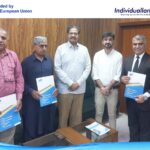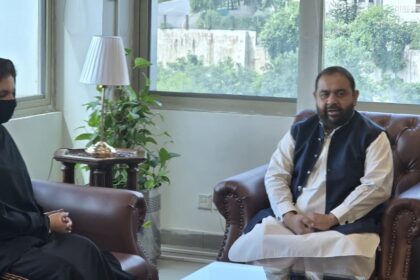





Federal Minister for Health Mustafa Kamal reiterated that preventive healthcare must take precedence over treatment as he addressed a seminar at PIMS Hospital on “From Trauma to Recovery: Improving the Standards of Burn Care.” He warned that many burn deaths in Pakistan are preventable and called for urgent action to ensure timely and adequate treatment alongside stronger prevention efforts.
The minister highlighted that Pakistan’s health challenges are rooted in a system that often waits for illness to occur. “Our system is largely a sick-care system which waits for people to fall ill rather than shielding them from disease,” he said, arguing that a shift toward preventive healthcare will protect vulnerable populations and reduce avoidable mortality.
Mustafa Kamal pointed to the heavy local burden of disease driven by environmental and social factors, noting that around 68% of illnesses in the country are water-borne and that disease risks begin from birth. He said these realities make prevention, public awareness and early interventions essential to ease pressure on hospitals and save lives.
On cervical cancer prevention, the minister announced a major step: Pakistan has become the 151st country to introduce the HPV vaccine into its immunization programme. He stressed the vaccine’s potential to reduce the nearly 5,000 annual cervical cancer diagnoses in Pakistan and urged national rollout alongside school and community initiatives.
Highlighting vaccination as a cornerstone of public health, Mustafa Kamal said, “Prevention is better than cure. We must focus on precautions and disease prevention rather than only treatment.” He called for concerted efforts across government, healthcare providers and communities to prioritise immunization, hygiene, and burn prevention strategies.
While examining burn care standards at the PIMS seminar, the minister emphasised that improving emergency response and expanding preventive healthcare measures will together reduce avoidable deaths. He urged policymakers to reorient resources toward prevention so the health system can truly protect people before illness strikes.