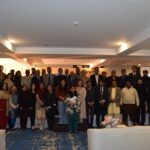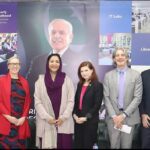




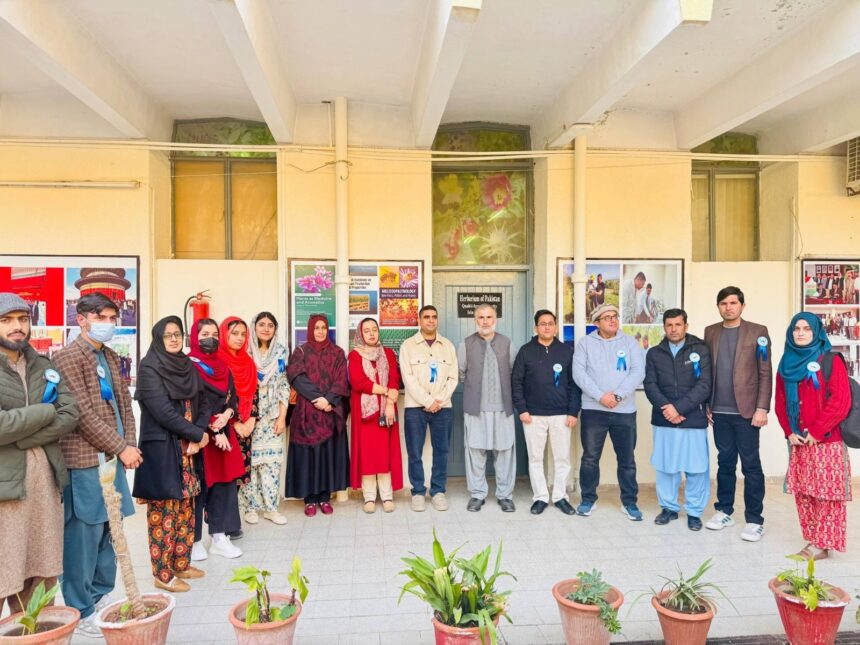
Plantarians Association of the Department of Plant Sciences at Quaid-i-Azam University, Islamabad marked World Mountains Day on 11 December 2025, underscoring the global theme that “Glaciers matter for water, food and livelihoods in mountains and beyond” and stressing the urgent need for glacier conservation.
Faculty members including Prof Dr Shujaul Mulk Khan, Prof Dr Mushtaq Ahmad (TI), Prof Dr Hassan Javed Chaudhry, Prof Dr Abdul Samad Mumtaz, Prof Dr Umar Masood Qureshi, Prof Dr Muhammad Farooq Munis and Dr Malka Saba addressed the gathering, while Prof Dr Tayeba Yasmin from COMSATS and Prof Dr Noshin Ilyas from PMAS joined to emphasize awareness and research priorities. Speakers highlighted how glacier conservation connects directly to agricultural productivity, water security and the livelihoods of vulnerable mountain communities.
Speakers described glaciers as far more than frozen landscapes: they are lifelines for ecosystems and people, vast reserves that regulate seasonal water flows and support farming and downstream communities. The discussion stressed that the rapid transformations observed in these ice reserves carry profound consequences for food supply and water availability, making glacier conservation a shared responsibility.
The event combined scientific perspective with appeals for public engagement, noting that these ancient ice formations serve as testament to Earth’s history and hold cultural significance for many communities. Faculty called for strengthened awareness, coordinated research and practical measures to protect glaciers and the services they provide to both mountain and lowland populations.
By hosting this commemoration, Quaid-i-Azam University’s Plantarians Association aimed to deepen dialogue on glacier conservation within Pakistan’s academic and policy circles and to encourage continued collaboration across institutions to safeguard water, food and livelihoods tied to mountain ice.