



ISLAMABAD: The presence of 11 tube wells within a limited stretch of 1,320 feet in H Block of Soan Garden has triggered serious concern among residents over the rapid depletion of underground water, with residents accusing the Capital Development Authority (CDA) and the Pakistan Environmental Protection Agency (Pak EPA) of failing to respond effectively to repeated complaints and warnings.
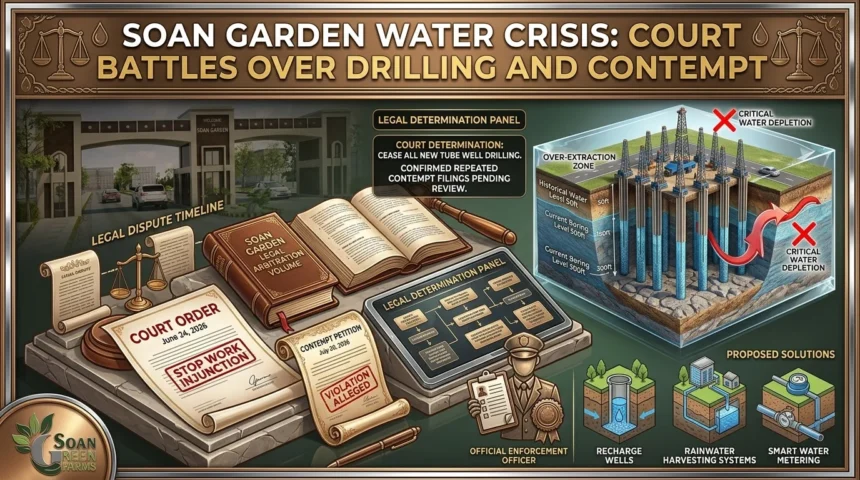
The matter has also reached the courts. A civil court in Islamabad East restrained the defendants from drilling a new tube well on June 24, 2026. After residents alleged that the order was being violated, the court on July 20 directed its bailiff to visit the site and ensure implementation of the earlier order. The bailiff was asked to submit a compliance report by July 28.
Residents say the dispute is no longer confined to one tube well. They warn that excessive water extraction, commercial boring and the absence of proper groundwater protection could create a serious water shortage for future generations.
Speaking at a press conference, Naila Jabeen said 11 tube wells had been installed within a distance of 1,320 feet in H Block, including four belonging to the Public Works Department. She claimed that the tube wells collectively extracted around 5,000 gallons of water per hour and operated for between 12 and 24 hours a day.
She warned that continuous pumping was putting pressure on underground water reserves and demanded an urgent scientific and hydrological survey to determine how much water was being extracted and how fast the underground reserves were declining.
According to Jabeen, the water level has fallen sharply over the past five years. She said water that was previously available at a depth of around 50 feet now required boring to approximately 300 feet.
She also warned that excessive groundwater extraction could increase the risk of land sinking and damage to nearby properties. She urged residents, universities and research institutions to visit the area and independently examine the situation.
Residents have particularly questioned the response of the CDA and Pak EPA. Jabeen said complaints had been submitted to the management committee, the registrar, the Deputy Commissioner, the CDA and environmental authorities, but tube well drilling continued.
She also claimed that applications had been submitted twice to the environmental authorities and that the Pakistan Council of Research in Water Resources had been approached for assistance. Universities were also invited to conduct practical research in the area, but, according to her, no effective response followed.
The allegations raise questions about whether the relevant authorities properly examined the environmental impact of repeated drilling and whether sufficient action was taken after residents reported the problem.
Court record shows that Shabnum Akhtar and others filed a civil suit against the Civilian Employees Cooperative Housing Society, Soan Garden, and other respondents. The case sought a declaration as well as permanent and mandatory injunctions.
On June 24, Civil Judge Syed Haider Shah of Islamabad East passed an interim order restraining the defendants from drilling the new or disputed borehole, subject to notice. The court also directed that notices be issued to the respondents.
On July 20, another order in the matter of Naila Jabeen versus CECHS and others recorded the filing of a contempt petition. The petitioner’s lawyer told the court that the earlier order was being violated.
The court then directed its bailiff to visit the site and ensure implementation of the June 24 order. A report was required by July 28, 2026. The available documents do not contain the bailiff’s final report or any subsequent decision by the court on the contempt application.
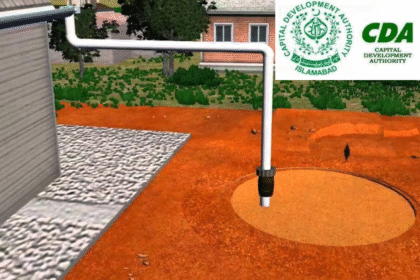
Residents have demanded an immediate scientific assessment of all 11 tube wells, restrictions on commercial boring and water tankers, and the construction of recharge wells to help rainwater return to underground reserves.
They also questioned why rainwater flowing from the Expressway was not being properly collected and used to improve groundwater supplies. They said recharge wells could help conserve water instead of allowing it to go to waste.
The wider dispute has also involved allegations of financial and administrative irregularities in the housing society. According to the supplied background information, the society’s managing committee was suspended in 2025 over allegations involving financial irregularities, record manipulation and failure to address members’ complaints. An Assistant Commissioner was appointed as administrator and new elections were ordered. These allegations are separate from the court proceedings over the disputed borehole.
Residents say the CDA, the cooperative department and environmental authorities must explain what action they have taken to protect reserved land and underground water. They want the authorities to examine the number of tube wells, their operating hours, the volume of water extracted and the effect on nearby properties and residents.
The central question, according to the residents, is why repeated complaints and requests for a scientific survey did not lead to a clear public response before the dispute reached court. The CDA and Pak EPA have not provided their positions in the material supplied for this report.