



Waste-to-Energy Plants — A Need of the Time
By: Zaheer Ahmed Awan
The population of the world is increasing rapidly, cities are expanding, and the amount of household, commercial and industrial waste is also rising every day. Developed countries no longer treat waste as a burden; instead, they consider it a valuable resource. Today, modern cities across the world convert daily waste into electricity, gas, fertilizer, hot water, biofuel, construction material, and many other useful products.This not only keeps their cities clean and free from smell, mosquitoes and pollution, but also strengthens their national economy.
Unfortunately, in Pakistan waste is still treated as a problem, not as an opportunity. Every day, thousands of tons of garbage are dumped in open spaces, residential areas and unsafe dumping points. This waste becomes a source of diseases, pollution and public misery.
Today, almost all developed countries are using modern Waste-to-Energy (WTE) plants that convert garbage into usable energy.
Sweden is the world’s leading example. The country recycles 99% of its waste. Surprisingly, Sweden now imports waste from other countries to run its plants. Swedish WTE plants:
- Produce electricity
- Provide heating to homes
- Reduce waste to almost zero
The energy produced from waste provides power and heat to thousands of factories and hundreds of thousands of homes.
Germany recycles more than 60% of its waste every year. The country produces biogas, electricity, chemicals, fertilizer and reusable plastic through one of the strongest recycling systems in the world.
Japan, due to shortage of land, uses highly advanced machines to convert waste into steam, electricity, heat and even construction blocks. Tokyo’s waste plant is considered one of the cleanest and most eco-friendly plants in the world.
China is operating thousands of waste-to-energy plants. Every day, millions of tons of waste are converted into electricity, biofuel, gas and chemicals. If Pakistan adopts this model, our waste problem can be solved and our energy crisis can also be reduced.
Waste Situation in Pakistan
In our major cities, thousands of tons of waste are thrown in the open every day. Due to lack of modern technology, this garbage causes: - Bad smell and pollution
- Dengue, malaria and respiratory diseases
- Damage to groundwater
- Environmental hazards
The Case of Rawalpindi and Islamabad
The condition of our twin cities is very worrying. Large dumping points have been created at important locations such as Liaquat Bagh and the Fruit and Vegetable Market. Every day, thousands of tons of waste are collected here, which results in: - Severe smell and discomfort for citizens
- Spread of diseases
- Disturbance in business and traffic
- Serious health issues for residents
Governments spend billions of rupees on cleanliness drives, yet the core problem remains unsolved.
The Best Solution Modern Waste-to-Energy Plants
If the government shows seriousness, Pakistan can easily convert waste into electricity and gas. Modern WTE plants in the world can: - Burn 1,000 to 5,000 tons of waste per day
- Produce large amounts of energy
- Operate in an environment-friendly way
What We Must Do
- Purchase modern WTE plants from China, Turkey or Europe
- Install separate plants for each major city
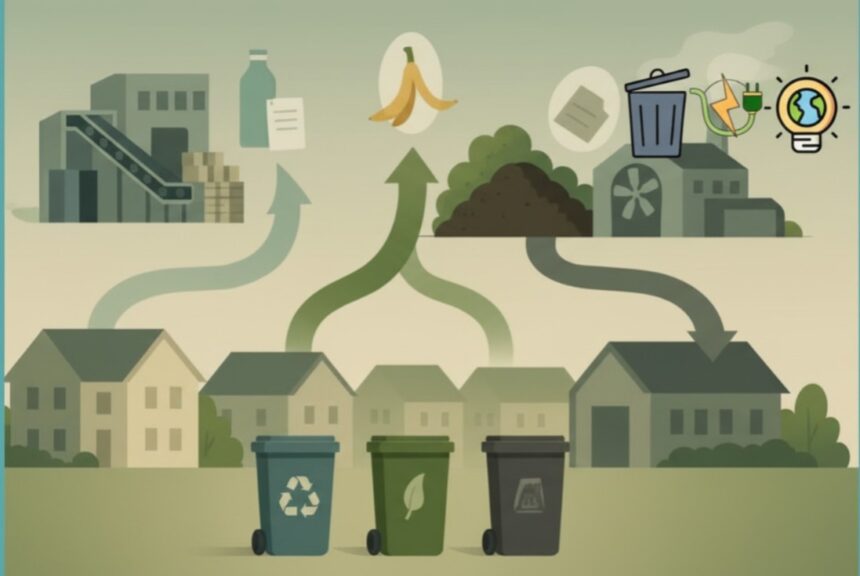
- Introduce scientific waste segregation
- Remove dumping points from populated areas
- Declare recycling as a full industry
- Involve the private sector in this project
- Save billions of rupees annually through energy production
These plants recover their cost within a few years and then become a permanent source of income.
A Constitutional Requirement Article 9 of the Constitution of Pakistan guarantees every citizen the right to life and a clean environment. If the government fails to provide a clean environment, it fails in its constitutional duty. Therefore, setting up modern waste-to-energy plants is not only an administrative need, but also a constitutional responsibility.
We Must Act Now
The world has moved forward. Developed countries have turned waste into a national asset. But in Pakistan, the same waste is making life miserable. If the government immediately decides to install WTE plants Our cities will become clean
- Diseases will decrease
- Thousands of jobs will be created
- The energy crisis will reduce
- The economy will strengthen
Today, the biggest need is that the government takes urgent action, installs modern waste-to-energy plants, and brings Pakistan out of pollution and into the league of modern, clean and developed nations.
Read in Urdu: کچرے سے توانائی کے جدید پلانٹس ملک کا فوری حل