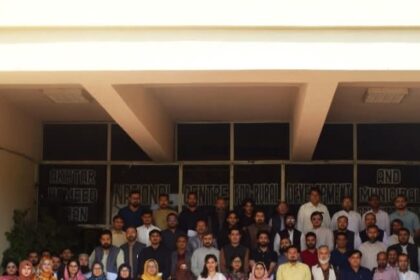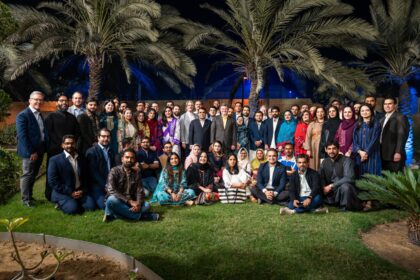




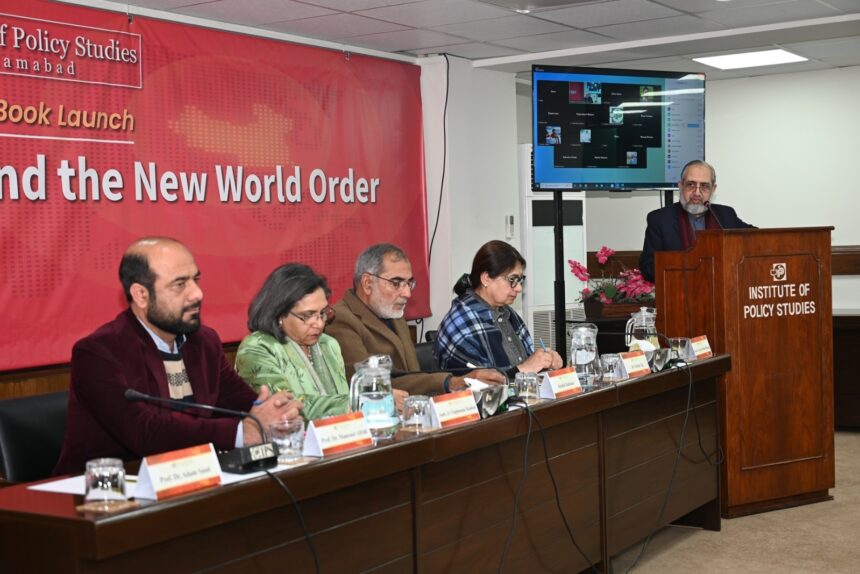
A seminar at the Institute of Policy Studies in collaboration with the Youth Forum for Kashmir brought diplomats, scholars and university students together to discuss the enduring legal and moral dimensions of the Kashmir cause and the responsibilities now placed on Pakistan’s youth.
Ambassador (r) Sardar Masood Khan told students that Generation Z, with unprecedented access to information and social media platforms, is uniquely positioned to highlight the Kashmir cause at multiple levels. He urged young Pakistanis to see themselves as architects of the nation and to anchor their advocacy within the ideological foundations of Pakistan, noting that successive generations have carried this responsibility forward and that recent events in May 2025 have reinforced collective resolve.
Dr Waleed Rasool recalled January 5, 1949 as a pivotal moment when the UN Security Council recognized the right of the people of Jammu and Kashmir to determine their future through a free and impartial plebiscite. He stressed that UNSC resolutions underpin the legal validity of the Kashmir cause and that their non‑implementation reflects international power asymmetries rather than a loss of legal standing.
Umair Parvez of the National Defence University argued that the centrality of the Kashmiri people’s right to self‑determination makes resolution imperative. While drawing lessons from peaceful self‑determination movements elsewhere, he emphasized that the context of Indian control in Kashmir means resistance and advocacy cannot be delegitimized, and pointed to the concept of reputational security as a factor that amplifies the legitimacy of the Kashmiri cause on the world stage.
Khalid Rahman, chairman of IPS, closed the seminar by highlighting the changing dynamics of the international system and the need for patience, long‑term pragmatic vision and clarity of purpose. He underlined that diverse means must be employed responsibly to sustain momentum for the Kashmir cause while keeping sight of achievable objectives.
The event facilitated intergenerational dialogue and reaffirmed that the legal and moral dimensions of the Kashmir cause remain relevant. Speakers called on students and youth organisations to deepen advocacy, engage respectfully across platforms and preserve the ideological and ethical foundations that bind Pakistanis and Kashmiris together.