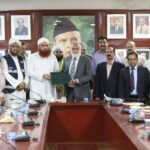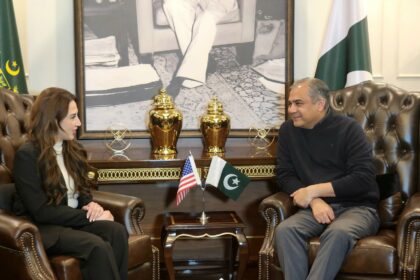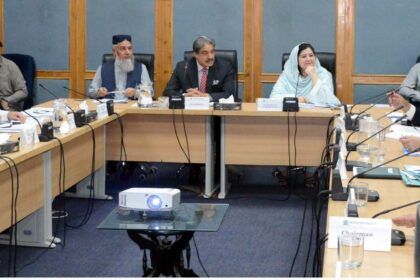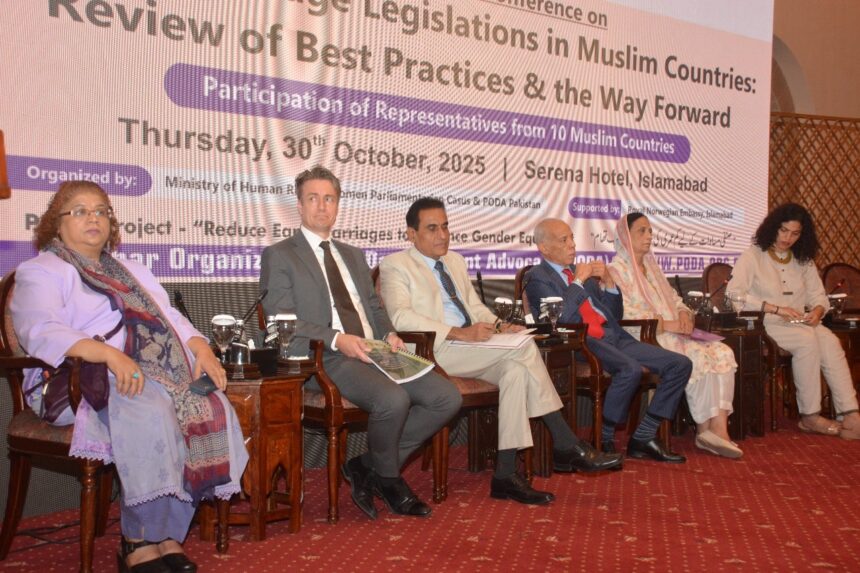
Scholars from ten Muslim countries told delegates in Islamabad that linking the age of marriage to mental maturity, shared wisdom and Islamic principles is essential to protect the vulnerable and end child marriage. The consensus emerged during an international conference organised by the Potohar Organization for Development Advocacy in collaboration with the Women Parliamentary Caucus and the Ministry of Human Rights, with support from the Royal Norwegian Embassy.
The three-year project Reduce Early Marriages to Enhance Gender Equality, implemented by PODA across 41 districts of Punjab and due to conclude in November 2025, reached more than 41,000 people including nikah khawans, registrars, parents, girls, teachers, lady health workers and officials from health, education, police, judiciary, social welfare, Bait-ul-Maal, law and legislatures. Project activities aimed to build cross‑sector dialogue on the harms of early marriage and pathways to protect girls.
Barrister Aqeel Malik, Minister of State for Law and Justice and Human Rights, traced the historical development of legislation on early marriages from 1929 to 2025 and stressed the ongoing work to harmonise child marriage laws across Pakistan. A senior representative of the Punjab Commission on the Status of Women confirmed that the draft Child Marriage Restraint Bill has been finalised, vetted by relevant departments and is now before the provincial cabinet. The bill proposes setting the minimum age of marriage for girls at 18 to help ensure completion of basic education and skills for a dignified future.
Speakers underlined that setting the age of marriage at 18 should be linked to completing secondary education and accompanied by stronger deterrents under the Child Marriage Restraint Act. Recommendations called for increased penalties to discourage early marriages, coordinated awareness campaigns with Islamic scholars and institutions, and expanded economic and skills programmes for women to address root causes.
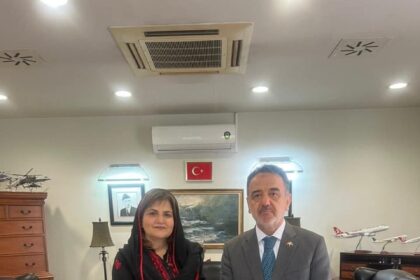
Delegates heard opening remarks from Mr Abdul Kalique Sheikh of the Ministry of Human Rights, and a welcome address by Ms Sameena Nazir, Executive Director of PODA. The Deputy Head of Mission of the Royal Norwegian Embassy in Islamabad, Thomas Dahl, praised collaborative efforts to promote gender equality and protect girls’ rights. The country paper for Pakistan was presented by Dr Muhammad Arif Laghari of the Ministry of Human Rights, and a global perspective was shared by Her Excellency Harerimana Fatou, High Commissioner of Rwanda.
Keynote remarks were delivered by Dr Shahida Rehmani, Chairperson of the Women Parliamentary Caucus. International contributions included scholars and experts such as Saimum Reza Talukder from BRAC University, Andi Nur Faizah of INFID, Prof. Balarabe A. Haruna of Nigeria, Prof. Aziz Mechouat of Morocco, Badr Al‑Abri of Oman, Dr Nadia Abaza of the Syrian Women Network, Shaimaa Salahuddin Harbawi of Tunisia, Dr Amal Basha of Yemen and Prof. Muhammad Zia Ul Haq of the Islamic Research Institute, IIUI.
Conference participants urged civil society, community and religious leaders to hold awareness sessions explaining the harms of early marriage and the Islamic imperative to protect the weak. They emphasised that state legislation must prioritise the welfare and protection of young girls while enabling community engagement and sustained implementation to make the proposed age of marriage effective in practice.