The Iran revolution represented a nationwide movement rooted in faith, historical identity and a desire for independence that ended a dictatorial regime reliant on foreign support. That transformation launched a new era of national sovereignty, broader public participation in governance and a renewed emphasis on dignity and self-determination.
Over the past five decades, the Islamic Republic has pursued policies grounded in independence, freedom and justice while resisting domination. Despite sustained external pressures, Iran has made measurable advances in scientific and technological fields by relying on domestic capabilities, social cohesion and a committed workforce, demonstrating the long-term aims of the Iran revolution.
Economic progress has continued amid what Tehran calls unjust sanctions and maximum pressure campaigns. Authorities point to gains in industrial production, growth in non-oil exports, strengthened fiscal foundations and steps toward a more diversified and resilient economy. Improvements in social services and infrastructure, including expanded healthcare coverage, greater self-sufficiency in local production and investments in education, are cited as contributors to citizens’ quality of life.
In foreign policy, Tehran emphasises balanced, constructive diplomacy, pragmatic engagement and expanded ties with neighbouring states and emerging economies. The government describes itself as a responsible regional actor that supports dialogue, multilateralism and cooperation to promote peace and sustainable development. As part of this approach, Iran engaged in negotiations on nuclear-related issues despite enduring pressure, an effort presented as a sign of diplomatic intent even as the country faced attacks attributed to the Zionist regime with alleged involvement of the United States, causing human and economic losses.
Public protests that began on 28 December 2025 were initially peaceful but were later exploited by violent and extremist elements, resulting in armed unrest and disorder. The government states it has remained mindful of human rights obligations, including the right to peaceful assembly, while exercising restraint and upholding its duty to protect citizens, maintain public order and safeguard national security. Officials say the vigilance of the Iranian people helped prevent attempts at broader destabilisation.
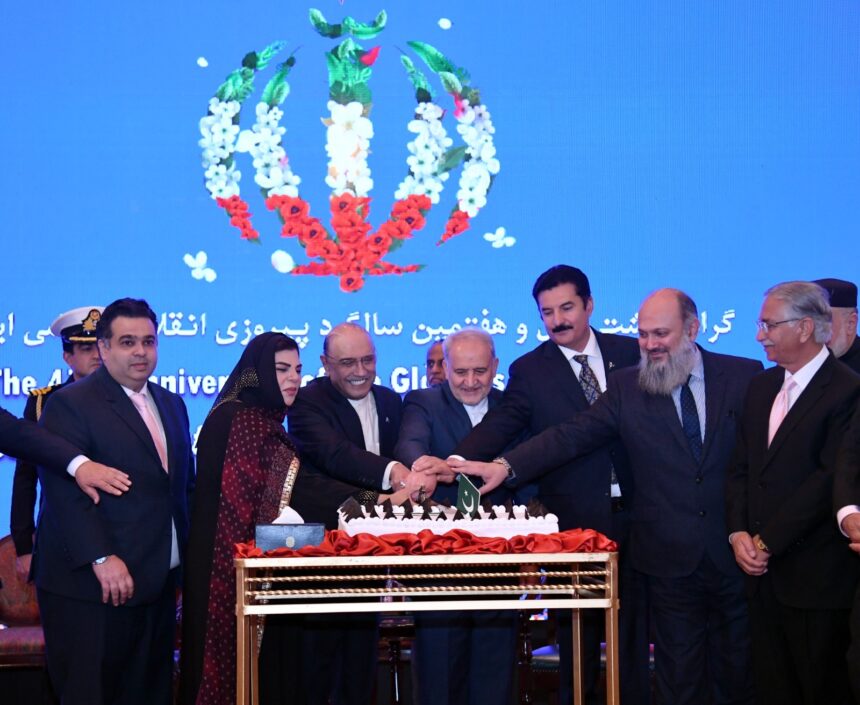
On the 47th anniversary of the Iran revolution, authorities reaffirm their commitment to the principles of the Islamic Republic and honour the memory of the nation’s martyrs. Tehran continues to confront coordinated military, political and narrative pressures but stresses a dual approach of firm defence of sovereignty alongside continued readiness for diplomacy. Officials argue that respect for national sovereignty and mutual interests are essential to productive negotiations and long-term regional stability.