



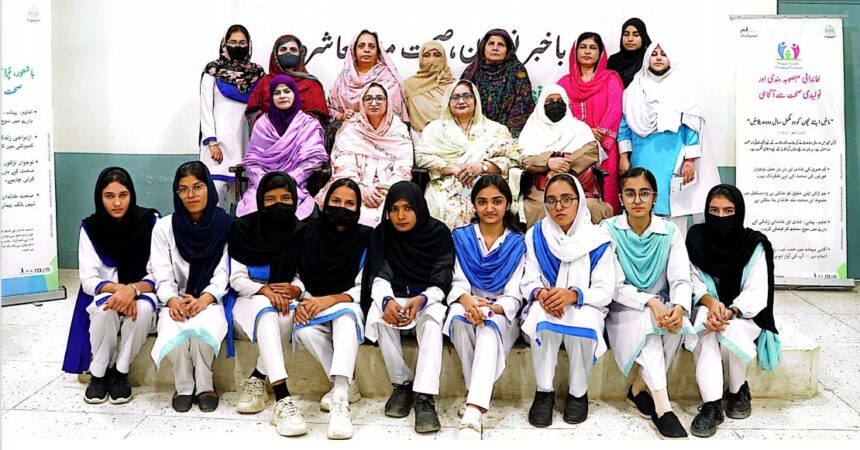
The Behtar Qadam initiative concluded its first quarter after engaging more than 64,500 citizens across all 41 districts of Punjab, delivering vital messages around reproductive health and fostering a new public mindset described locally as Nayi Soch. Over the period the programme held 485 community events focused on open dialogue and information sharing.
Led by the Punjab Health and Population Departments under the Punjab Family Planning Program (PFPP) and executed in partnership with Rayn and RIZ Consulting, Behtar Qadam operates as a supportive guide rather than a prescriptive authority. The initiative places youth empowerment at its core, equipping tomorrow’s parents with practical knowledge today so they can make informed decisions about their families.
Community engagement reached couples, religious leaders and civil society actors to ensure messages around birth spacing and maternal wellbeing reach diverse local networks. The programme emphasises that birth spacing is essential for the health of mothers and children and that informed, balanced choices contribute to more stable households and a stronger economy.
A notable moment this quarter came during a scheduled event in Multan when representatives from the World Bank, the project’s primary donor, observed outreach activities firsthand. Dr Jahanzaib Sohail, Senior Health Economist at the World Bank, addressed university students and said, “If there’s one thing that stays with you, let it be the importance of birth spacing. If it leads you to seek out more for yourself, that is where real impact begins.”
Looking ahead, the campaign will scale its on-ground presence and by June 2027 is set to deliver more than 1,293 engagements across universities, Sehat Melas, community dialogues, family and couples sessions, youth forums and briefings with religious leaders. These efforts aim to build awareness, answer questions, and encourage informed decision-making about family planning and reproductive health.
As Behtar Qadam continues its outreach across Punjab, the programme’s community-focused approach and emphasis on youth make it an important vehicle for fostering sustainable change in maternal and child health practices across the province.