



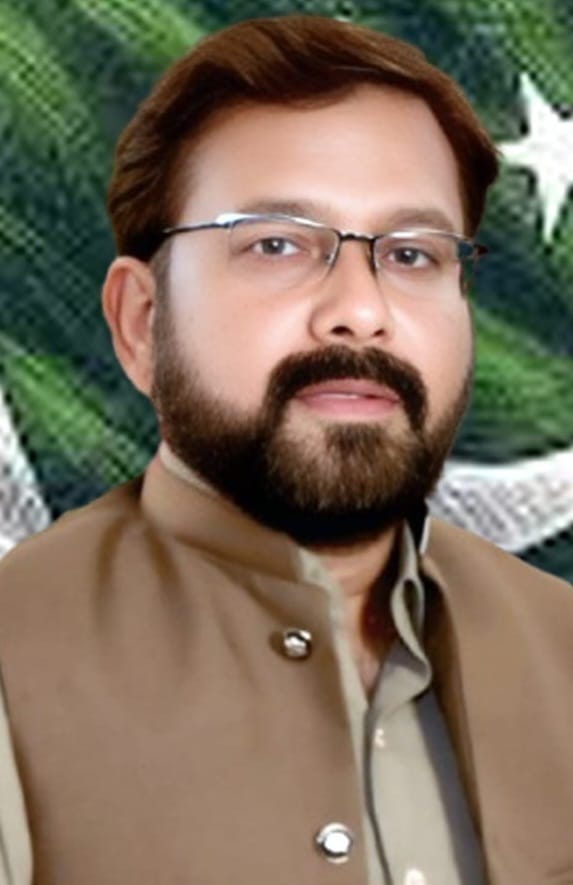
RAWALPINDI: Social leader and President of the Taraqqi Pasand Falah Welfare Organisation, Muhammad Aamir Siddiqui, has said poverty and inflation are among the biggest challenges of the present era and cannot be overcome without unity, consensus and economic stability.
Commenting on the further increase in prices of petroleum products, he said the government must build a barrier against the “inflation tsunami” instead of adding to the burden on the people. He termed the rise in fuel prices, instead of a reduction, an act of injustice, saying that inflation had made it difficult for ordinary citizens to make ends meet.
Aamir Siddiqui said a climate of mistrust and uncertainty was preventing the democratic system from taking root. He urged political forces to support each other instead of trying to bring one another down, and said all stakeholders should move forward for the stability of the state rather than politics alone.
He said Pakistan’s practical efforts for global peace and development, its acknowledged role, and the country’s rising importance under the leadership of Field Marshal General Asim Munir were a matter of pride for the nation. He said Pakistan’s enemies appeared unable to tolerate this progress, citing the recent terrorist activity in Balochistan as evidence.
He stressed that the nation must demonstrate practical unity to defeat the designs of anti state elements and terrorists. Aamir Siddiqui said the stability of national institutions was linked to the country’s development, prosperity and overall stability.
Paying tribute to the armed forces, he said the Pakistan Army was a disciplined, strong and responsible institution, and that the armed forces were the guardians of the country’s borders. He said that whether during earthquakes, floods or other difficult times, the armed forces had stood with the nation, while their sacrifices in the war against terrorism and for peace and development in Pakistan were unforgettable.
Aamir Siddiqui said the nation was proud of its ghazis and martyrs. He added that dialogue between the government and the opposition was the only way forward for peace, development and prosperity in Pakistan, as the people had given them a mandate to resolve issues such as poverty, inflation and unemployment.
He urged political leaders to change their attitudes and respect each other’s mandate. Decisions for public service and national betterment, he said, should be made in elected houses rather than on roads and in grounds so that people could benefit from democracy and the country could move ahead on the path of progress. He concluded with the message: “Azm e-Alishan, Pakistan First.”