Islamabad — The May Day Foundation has joined hands with Virtual City School Islamabad to launch an education initiative for underprivileged and differently-abled out-of-school children in rural areas of Pakistan.
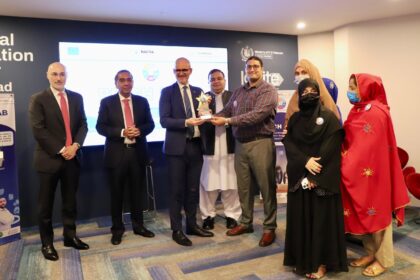
The launching ceremony was hosted by Virtual City School Islamabad. Mr Haziq, CEO of Virtual City School, welcomed the participants and dignitaries, while Mr Shawaz, CEO of May Day Foundation, attended the event as chief guest.
Distinguished speakers at the ceremony included Mr Shawaz, CEO May Day Foundation; Mr Ahmed Mohyuddin, Additional Inspector General of Police; Mr Haziq, CEO Graphite/Virtual School; Mr Almass Ayoub Sabir, Chairman AIMS Education System; Dr Hafeez Iqbal Suleri, IT expert; Mr Zeeshan Khan, DG HEC; and Professor Aman Ullah Khan of Islamic University.
The speakers lauded the initiative and pledged their full support for expanding quality education to marginalised communities in rural Pakistan.
The highlight of the event was the keynote motivational address delivered by Mr Shawaz. He stressed the critical need to provide quality education to underprivileged children in rural areas and appreciated the vision and efforts of Mr Haziq and the Virtual City School team for making education accessible through digital platforms.
Mr Imtiaz Baloch, father of Mr Shawaz, also graced the event with his presence.
The ceremony concluded with impactful and intellectual speeches, followed by a souvenir presentation. Virtual City School presented shields, caps, cups, pens and other mementos to the guest speakers and team members as a token of appreciation.
The collaboration marks a significant step towards bridging the education gap and ensuring inclusive learning opportunities for children who are out of school due to poverty, disability or lack of access in rural Pakistan.