



ISLAMABAD, Sept 24: Greater strategic interaction and sustained institutional cooperation among Muslim countries are needed to enable the Muslim world to respond more effectively to rapidly changing geopolitical developments and emerging global challenges, participants at a meeting between the International Institute of Advanced Islamic Studies (IAIS), Malaysia, and the Institute of Policy Studies (IPS), Islamabad, observed.
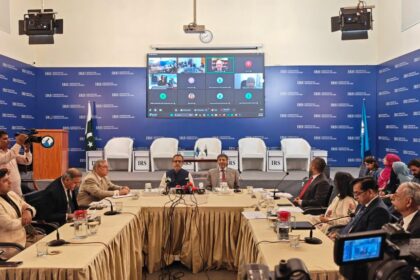
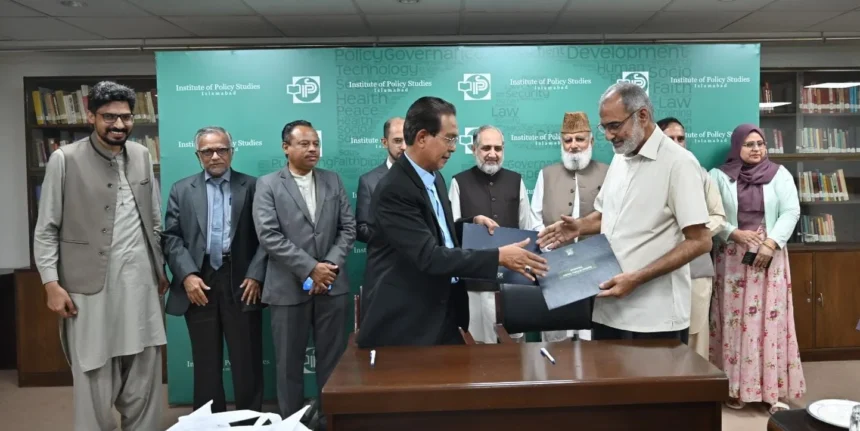
The observation was made during the visit of an IAIS delegation to IPS, where the two institutions also signed a Memorandum of Understanding (MoU) to promote cooperation in policy-oriented research, dialogue and advocacy on global Muslim affairs, international relations, governance and mutual understanding.
The IAIS delegation comprised its CEO Dr Syed Azman bin Syed Ahmad Nawawi; Deputy CEO Dr Ahmad Badri bin Abdullah; Dr Abdul Latiff bin Mohd Ibrahim, head of the Research and Publication Division; and Mohd Faiz bin Md Nawi, special officer (international affairs), Strategic Unit.
IPS was represented by Chairman Khalid Rahman; Vice Chairman Syed Abrar Hussain; Abdul Rashid Turabi, Kashmir affairs expert; Shafaq Sarfraz, head of operations; and Nadeem Farhat, research fellow.
The delegation noted that the Muslim world was facing a range of complex challenges amid significant changes in the international system. It underlined the importance of closer interaction among Muslim countries, particularly in Asia, considering their large populations, economic potential and strategic significance. The Asia-Pacific region, which is home to some of the world’s largest Muslim populations, was described as immensely important in this context.
Participants said greater coordination, information-sharing and institutional linkages were essential for developing a more informed and proactive response to global and regional developments.
The discussion also covered Palestine, Occupied Kashmir, Afghanistan, Sudan and other conflict-affected regions. Participants stressed the need for a deeper understanding of the political, social and geopolitical factors shaping these crises, observing that longstanding conflicts required sustained attention instead of being treated only as short-term crises.
Geostrategic experts from both institutions exchanged views on current geopolitical conditions severely affecting Muslim populations worldwide. The genocide in Palestine and pervasive human rights violations in Indian Occupied Jammu and Kashmir received particular attention. The constructive role of Pakistan and Malaysia in diplomatic efforts to mediate for peace was also mentioned.
Experts at IPS briefed the visiting delegation on the geostrategic challenges faced by Pakistan because of its commitment to global peace and regional harmony.
Special emphasis was placed on the changing international system and the need for Muslim countries and institutions to examine how they could contribute to emerging debates on global governance. Participants also discussed contemporary social and intellectual issues, including the decolonisation of Muslim thought, Islamophobia, family and social systems, and the need to strengthen intellectual engagement on matters affecting Muslim societies.
The delegation shared experiences of engagement with different government entities and lessons learned in constructive strategic communication with policymakers, including sensitising them through facts on issues related to Muslim societies and their common concerns. The discussion highlighted the importance of understanding developments on the ground and maintaining direct interaction with policymakers, governments and other relevant stakeholders alongside academic and research work.
Under the MoU, the two sides identified several areas for practical collaboration, including joint seminars and conferences, exchange of research and policy briefs, participation of scholars in each other’s programmes, and possible joint research and publications.
The visiting delegation presented publications translating the works of poet-philosopher Allama Muhammad Iqbal into Malay. Paying tribute to the founder of IPS and renowned scholar Prof Khurshid Ahmad, the two sides also agreed to translate some of his books into Malay.
Concluding the interaction, IPS Chairman Khalid Rahman said sustained intellectual exchange, research sharing and direct engagement among institutions could help develop a better understanding of contemporary challenges and contribute to more informed policy responses.