



ISLAMABAD: Speakers at a pre-COP31 dialogue have called upon Pakistan to translate its climate commitments into concrete action to safeguard food and water security, stressing sustainable water management, climate-resilient agriculture, accessible finance and stronger partnerships.
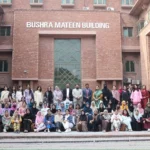
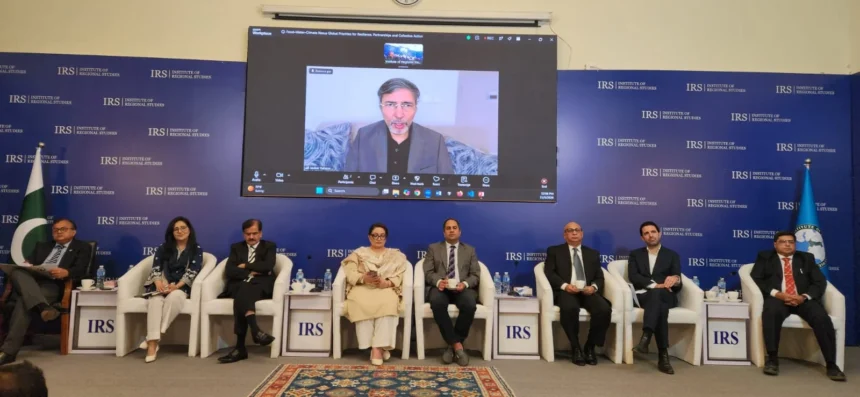
The Institute of Regional Studies (IRS), in collaboration with Secours Islamique France (SIF)-Pakistan, organised the dialogue titled “Food–Water–Climate Nexus: Global Priorities for Resilience, Partnerships and Collective Action.” The event brought together government representatives, diplomats, development partners, United Nations agencies and technical experts to discuss Pakistan’s priorities ahead of the UNFCCC Conference of the Parties (COP31) in Antalya, Türkiye.
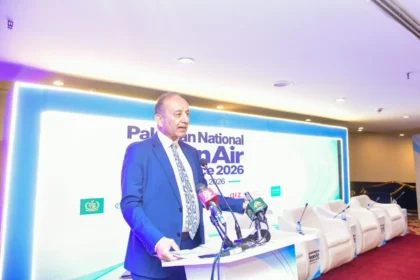
Federal Minister for National Food Security and Research Rana Tanveer Hussain, who was the chief guest, said sustainable water management, investment in farmers and stronger partnerships were essential, reiterating that “food security is national security.”
He called for investment-ready initiatives, including climate-resilient seeds, improved livestock breeds, efficient irrigation, accessible finance and crop insurance for smallholders and women farmers. He said the recommendations of the dialogue should help shape Pakistan’s priorities for COP31.
In her keynote address, Coordinator to the Prime Minister on Climate Change and Environmental Coordination Romina Khurshid Alam emphasised the need for clear national priorities in climate negotiations and effective implementation of commitments.
She highlighted climate finance, adaptation and international cooperation, and called for stronger federal-provincial coordination and greater attention to vulnerable communities.
IRS President Ambassador Jauhar Saleem recalled his experience in international climate diplomacy, including participation in the 1992 Rio Earth Summit and his service as Pakistan’s representative to the UNFCCC and Permanent Representative to FAO, IFAD and WFP.
He highlighted the links between food security, water scarcity and climate change, calling for comprehensive policies, effective grassroots implementation and greater emphasis on resilience, adaptation, mitigation and climate finance.
SIF-Pakistan Head of Mission Dr Altaf Abro highlighted the role of humanitarian and development organisations in translating climate policies into practical support for vulnerable communities.
He emphasised local partnerships, technical expertise and field experience in strengthening preparedness, community capacities and climate-resilient livelihoods. He also called for accessible climate finance, greater investment in people and stronger partnerships.
Deputy Country Director of the UN World Food Programme in Pakistan Thomas Conan said climate shocks were affecting food insecurity, child malnutrition and stunting.
He stressed linking emergency assistance with long-term food security, nutrition and resilience programmes, alongside stronger social protection and investment in human development.
Executive Director of the Global Climate-Change Impact Studies Centre (GCISC) Muhammad Arif Goheer highlighted agricultural risks arising from floods, droughts and changing climate conditions.
He called for stronger preparedness and climate-resilient agricultural systems backed by scientific evidence and reliable climate information. He also emphasised the importance of evidence-based national priorities in Pakistan’s international climate engagement.
Water resources expert Ahmed Kamal stressed water security, effective governance and climate-smart irrigation.
He called for integrating flood and drought risks into agricultural investment and land-use planning, improving institutional coordination and strengthening early-warning systems. He also highlighted opportunities to utilise floodwater for groundwater recharge, soil replenishment and local storage.
The dialogue also explored opportunities for international cooperation through the Food and Agriculture for Sustainable Transformation (FAST) Partnership and Türkiye’s Turquoise Nexus Initiative, identifying them as potential platforms for sustainable agri-food systems, institutional capacity-building and access to technical and financial support.
Concluding the dialogue, Head of IRS’s Climate Resilience Programme Dr Anjum Rasheed said 94 per cent of Pakistan’s freshwater withdrawals go to agriculture, underscoring the need for greater water-use efficiency.
She emphasised water conservation, improved irrigation and sustainable management as essential to food security. She urged Pakistan to approach COP31 with clear priorities and stronger partnerships, moving beyond highlighting vulnerabilities towards demonstrating concrete climate action.