



RAWALPINDI: Chairman of the Pakistan Citizen Rights Movement Zaheer Ahmed Awan has expressed concern over the cleanliness situation in Rawalpindi and the administrative expenses of the Suthra Punjab programme, urging Punjab Chief Minister Maryam Nawaz and the Punjab chief secretary to review the matter and take steps to improve sanitation services.
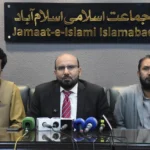
While listening to public complaints at the Citizens Complaints Cell on Zafar ul Haq Road, Mr Awan said that in 2013 the Municipal Corporation’s waste management system was run by an officer, Dr Mazhar, from a single government office room with 1,553 sanitary workers.
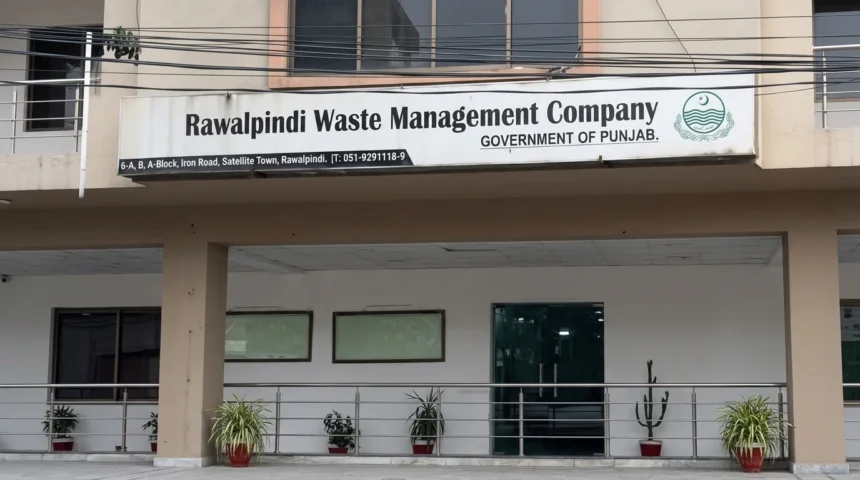
He claimed that nearly the same number of sanitary workers were currently being managed through a more costly administrative setup, including a rented private building, official vehicles, several officers and other operational expenses.
According to Mr Awan, the office rent amounts to several million rupees per month. He questioned whether such expenses were justified when residents of several localities continued to complain about poor cleanliness and waste collection.
He called for a review of the programme’s budget, vehicle fleet, fuel consumption and maintenance expenses to determine whether public funds were being used efficiently.
Mr Awan said government properties were sometimes leased to private parties at relatively low rents, while public institutions were spending substantial amounts on rented private offices.
He suggested shifting the Suthra Punjab office to the vacant government TMA building at Liaquat Bagh, saying the move could reduce rental expenses and save public money.
He also recommended an independent review of the educational qualifications, professional experience and recruitment records of officers and administrative staff. He said relevant degrees, diplomas and experience in environmental sciences and related fields should be examined to ensure compliance with applicable recruitment rules.
Mr Awan urged the authorities to conduct a transparent recruitment audit and take appropriate action, in accordance with the law, if any irregularities or appointments made in violation of merit were established.
He suggested that officers should regularly visit sanitation sites and directly monitor cleanliness operations instead of relying only on office reports.
To improve staff attendance and accountability, he proposed biometric eye scan attendance for officers and sanitary workers at 7am, 11am and 3pm. He said such a system could help monitor attendance, field presence and performance.
Mr Awan also demanded a comprehensive financial and administrative audit covering vehicles, fuel, maintenance, office rent and other operational expenses.
He appealed to the Punjab government to review the sanitation programme’s administrative structure and ensure that available resources were directed towards improving public services.
Mr Awan said residents needed clean streets, properly maintained drains and regular waste collection. He stressed that taxpayers’ money should primarily benefit citizens through better sanitation and public facilities.