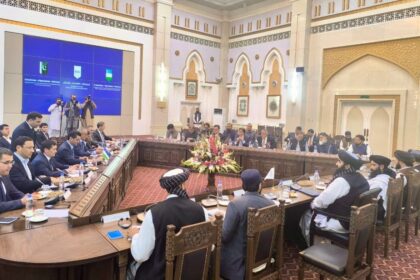




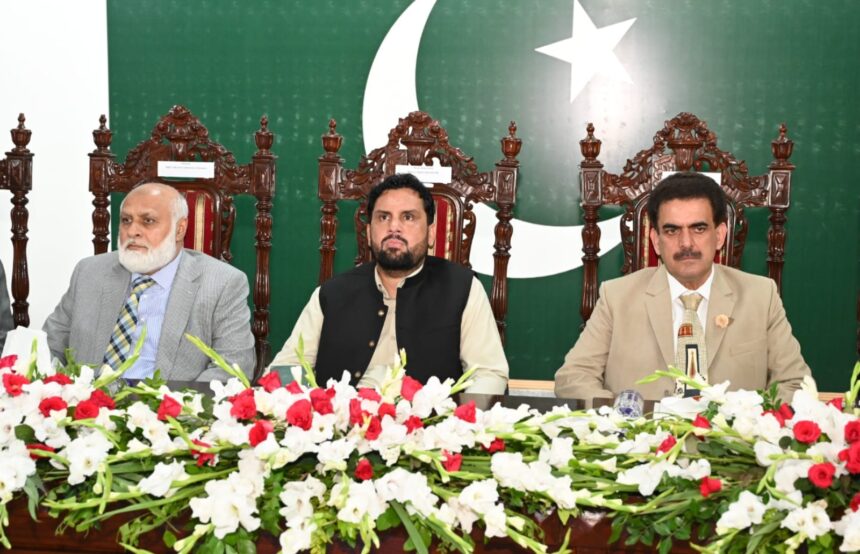
Khyber Medical University in Peshawar convened vice chancellors and rectors from across Khyber Pakhtunkhwa to map a coordinated approach for strengthening higher education, research and institutional development in the province. The gathering brought together academic leaders, policymakers and senior officials from the Higher Education Commission and the provincial Higher Education Department to discuss reforms and practical solutions.
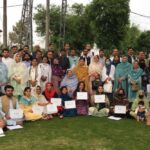
A major moment at the conference was the Research Excellence Awards ceremony where 216 researchers from KP were honoured for ranking among the world’s top 2 percent scientists. The recognition underlined the province’s growing research credentials and the importance of promoting scholarly work aligned with local needs.
Meena Khan Afridi, Minister for Higher Education KP and chief guest at the event, announced a reform agenda aimed at improving governance and quality in universities. She said necessary legislation will be introduced at the departmental level, government funding to universities will be linked to performance indicators, and vice chancellors will face formal performance evaluations every two years. A provincial higher education task force is expected to seek cabinet approval shortly.
The minister also highlighted student support measures, noting an increase in the endowment fund from Rs 2.1 billion to Rs 5.2 billion. She said free education will be provided to first and second year female students and orphans, and that paid internships for graduates will be introduced next year to boost employability. Emphasising the need to align research with societal priorities, she reiterated the goal of building a modern, competitive and research-driven higher education system in KP.
Dr Niaz Ahmad Akhtar, Chairman of the Higher Education Commission, observed that the HEC budget has effectively remained at Rs 65 billion over the past decade despite a large expansion in student numbers from 1.4 million in 2015 to about 3.5 million today. He commended KP universities for maintaining a 53 percent PhD faculty ratio, above the national average, while calling for measures to raise academic competitiveness and international visibility.
Heads of HEC divisions presented detailed briefings on academic development, research initiatives, scholarships, quality assurance, innovation, information technology and commercialisation efforts. Dr Zia Ul Haq emphasised institutional synergy, modern policymaking and effective leadership as vital to lifting universities to global standards, while Dr Sohail H. Naqvi urged improvements in research output, institutional stability and university autonomy, and suggested integrating artificial intelligence into research evaluation.
Dr Muhammad Israr Khan outlined ongoing reforms, governance models and priorities to enhance transparency and efficiency, and university leaders including Chairman of the KP Vice Chancellors Forum Dr Sadiq Khattak voiced support for collaborative action. Participants concluded the conference with a renewed commitment to work together to strengthen higher education across KP and implement the reforms discussed.
The focus on higher education throughout the conference reflects a provincial push to link performance, accountability and student support to a broader strategy for research excellence and institutional improvement in Khyber Pakhtunkhwa.