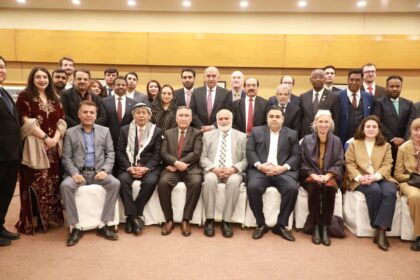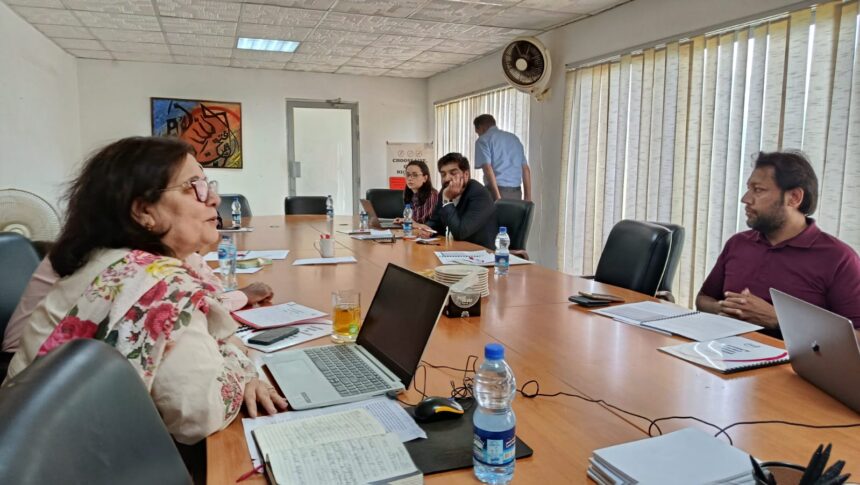
A coalition of public health groups meeting in Islamabad has urged the government to raise tobacco taxes and tighten regulation of emerging nicotine products to protect youth and strengthen public finances. Experts at the Alliance for Tobacco and Nicotine Control consultation warned that rapid growth in Heated Tobacco Products, electronic nicotine delivery systems, oral nicotine pouches and other nicotine-containing products is fuelling new addiction among young Pakistanis.
SPDC representative Asif Iqbal highlighted that cigarettes in Pakistan remain among the most affordable in the region and that the effect of the 2023 tax increase has been eroded by inflation and income growth. He said a 17.4 percent price rise via higher taxation in the next federal budget could raise roughly PKR 51 billion in additional revenue while cutting tobacco consumption, underlining the fiscal and health case for higher tobacco taxes.
Heartfile CEO Dr Saba Amjad outlined the wider economic toll, estimating an annual burden of PKR 615 billion from healthcare costs and lost productivity tied to tobacco use. Delegates also criticised the two-tier cigarette excise system that keeps economy-brand cigarettes cheap, noting that tax reform and abolition of the two-tier system could help encourage more than 271,000 adults to quit and prevent about 369,000 young people from starting tobacco use.
Heartfile Research Lead Ammar Rashid pointed to smokeless tobacco as an untapped revenue and public health opportunity, estimating that bringing these products into the formal tax net could generate tens of billions of rupees and cut consumption by as much as 40 percent over five years. He recommended licensing, standardised packaging rules and stronger market oversight as part of formalisation.
Sana Ullah Ghumman of the Pakistan National Heart Association urged prompt action, saying Pakistan cannot afford further delays in tobacco control reforms and that increasing tobacco taxes and regulating all nicotine products remain the most cost-effective measures to reduce addiction and healthcare costs. Qamar Naseem of Blue Veins warned how industry marketing, influencer campaigns and sleek product designs are deliberately aimed at young consumers.
Participants called for a comprehensive regulatory framework covering all tobacco and nicotine products, stronger enforcement against illicit trade and tax evasion, measures to protect policymaking from industry interference, and expanded public awareness to prevent youth initiation. The coalition urged the Government of Pakistan to adopt evidence-based policies that use tobacco taxes and regulation to improve public health, safeguard future generations and strengthen fiscal stability.