



ISLAMABAD, Nov 25: Pakistan’s energy transition must go beyond the expansion of renewable energy and address structural challenges linked to affordability, financial sustainability, industrial competitiveness and equitable access to benefits, experts said at a roundtable in Islamabad.
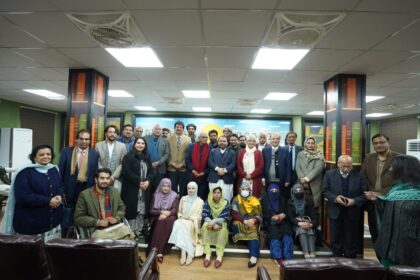
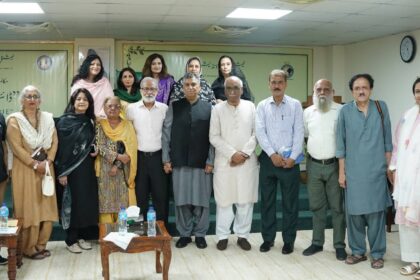
The roundtable, organised by the Institute of Policy Studies (IPS), Islamabad, was titled “Towards an Equitable Energy Transition in Pakistan: Immediate Priorities and Long-Term Measures.” It brought together policymakers, energy experts, industry representatives and researchers.
The speakers said challenges in the power sector were interconnected and required a comprehensive approach. They called for coordinated reforms to address immediate concerns while laying down a long-term roadmap for an equitable, inclusive and sustainable energy future.
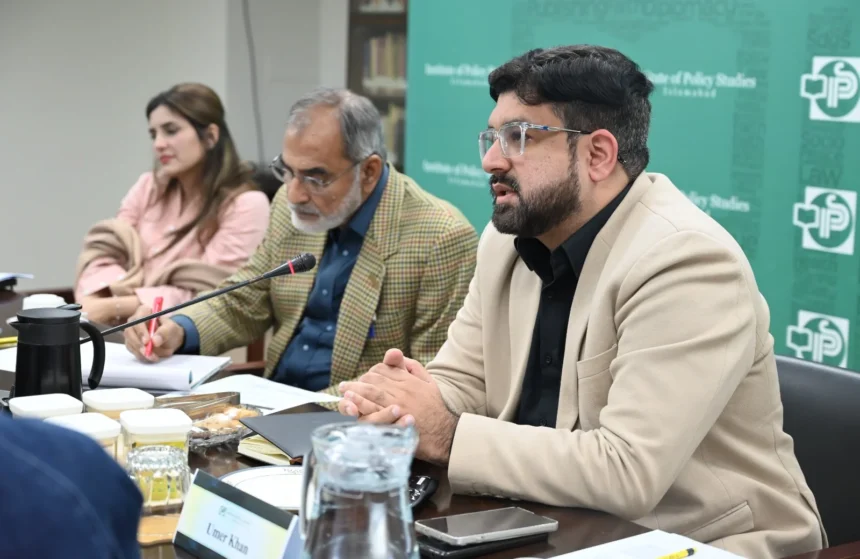
The speakers included Rehan Javed, member, Federation of Pakistan Chambers of Commerce and Industry; Muhammad Umer Khan, joint director, Private Power and Infrastructure Board; Dr Rubina Ilyas, research economist, Pakistan Institute of Development Economics; Ameena Sohail, member, Board of Governors of CPPA; and Khalid Rahman, chairman, IPS.
The discussants included Shahid M. Sattar, former member, Energy Planning Commission; Shahid Iqbal, former CEO, IESCO; Asad Mehmood, senior energy expert; Waqas Haroon Moosa, former chairman, Pakistan Solar Association; Khawaja Hassan Umer, director, financial planning, Power Generation Company (Pvt) Ltd; Tauseef ur Rehman, National Grid Company; Dr Shakir Ali; and Zulfiqar Younas, senior advisor, Climate Finance.
Linking industrial competitiveness with consumer affordability, Rehan Javed pointed to high electricity costs, capacity payments and underutilised generation capacity as persistent challenges. He called for cost-reflective industrial tariffs, better utilisation of existing capacity and improved transmission planning to encourage industries to remain connected to the grid.
Discussing procurement, Muhammad Umer Khan underscored the importance of least-cost planning, competitive procurement, transparent contracting and appropriate risk allocation for energy generation. He said market reforms, including the Competitive Trading Bilateral Contract Market, could improve procurement discipline, encourage investment and reduce inefficiencies in the power sector.
Dr Rubina Ilyas drew attention to disparities in the ability of households to participate in the energy transition. She said homeowners could install rooftop solar, while tenants and households sharing meters often lacked similar opportunities. She emphasised targeted support for vulnerable consumers, transparent assessment of tariff impacts, improved DISCO performance, and measures such as energy storage and shared solar arrangements to make the transition more inclusive.
Taking a broader view, Ameena Sohail said power-sector problems were often identified and addressed in isolation, creating further challenges. She stressed the need to examine the sector holistically and address institutional and regulatory disagreements that delay reforms.
During the discussion, Shahid Sattar stressed the need to consider the transition’s impact on households, industrial workers and communities hosting energy projects. On tariffs, Waqas Moosa proposed a midday tariff framework to encourage electricity consumption during peak solar-generation hours while maintaining DISCO revenue neutrality.
Shahid Iqbal cautioned against attributing DISCO revenue challenges primarily to net metering, identifying weak bill recovery and non-paying consumers as significant factors. Tauseef ur Rehman said solar adoption and battery storage were changing consumption patterns and shifting peak demand towards nighttime.
Dr Shakir Ali called for greater attention to wind energy, while Hassan Umer stressed the urgency of accelerating renewable energy development and market reforms.
Asad Mehmood said socioeconomic differences must inform transition policies, as not all consumers could afford renewable technologies. He also highlighted the continued dependence of solar users on the grid and the need for advanced technologies to facilitate load shifting.
Zulfiqar Younas urged Pakistan to pursue its NDC 2025 commitments and mobilise green finance through multilateral funds, the Green Climate Fund and carbon markets.
Winding up the discussion, Khalid Rahman said successive interventions in the power sector had often attempted to remedy the consequences of earlier decisions, sometimes creating new challenges. He stressed the need to examine the sector comprehensively and develop coordinated immediate and long-term measures for an equitable, inclusive and sustainable energy future.