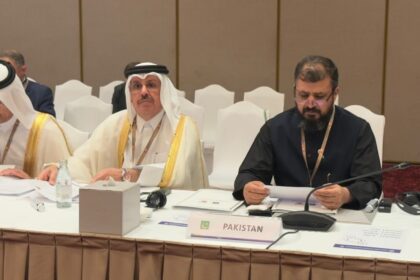





The Inter Boards Coordination Commission hosted a high-level consultative meeting at the IBCC Secretariat in Islamabad to address persistent problems arising from the current subject groups system, where many students who complete most science subjects still receive equivalence under humanities. The session, chaired by Executive Director Dr. Ghulam Ali Mallah, focused on the practical impact of subject grouping on student mobility and access to higher education.
Participants carried out a detailed review of the subject groups approach, weighing its benefits and limitations for college and university admissions. Several stakeholders argued that rigid labels such as Engineering and Medical have created barriers for students and proposed a transition to a subject-based pathway in which universities and regulatory bodies assess applicants on the specific subjects they have passed rather than on predefined groups.
Representatives from the Higher Education Commission, Pakistan Medical and Dental Council, the National Curriculum Council, provincial curriculum authorities, exam boards and other concerned bodies attended the meeting. Among those present were Mr. Fakir Muhammad Lakho, Prof. Tasbih Ullah, Dr. Ikram Ali Malik, Prof. Musharaf Ali Rajput, Prof. Jehnzab, Dr. Imdad Khushk, Dr. Tabassum Naz, Mr. Qazi Abid and Mr. Shafique Awan, while BISE Quetta and curriculum authorities from Sindh, Punjab and Balochistan joined online.
The forum recommended eliminating subject groups at the HSSC level because universities and regulating bodies increasingly evaluate candidates by subject competence rather than by broad groupings. Attendees also urged a review of SSC qualification groups to make them more open and flexible for college admissions and discussed whether academic and vocational pathways should be kept separate or integrated by including diverse skill-based subjects within SSC to better serve students’ career options.
To move the initiative forward, a national joint working group comprising representatives from the relevant stakeholders was formed to study the proposals in depth and submit detailed recommendations ahead of the next consultative meeting. Participants commended the IBCC for convening all parties on a single platform and stressed that reforms on subject groups should align with international best practices to create more inclusive and student-centred educational pathways across Pakistan.