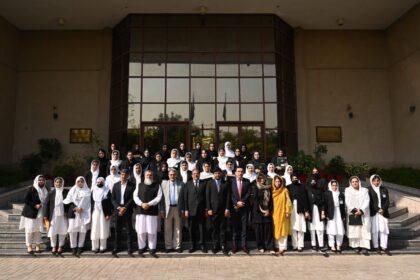





The ongoing Iran-Israel conflict is reshaping regional alliances and strategic dynamics, posing new geopolitical challenges and opportunities for countries like Pakistan, according to experts at a seminar organized by the Institute of Regional Studies in Islamabad. Senior diplomats and military analysts indicated that despite Israel’s efforts to undermine Iran’s nuclear infrastructure and regional influence, Iran has demonstrated significant resilience and retains its nuclear capabilities. The event also highlighted strengthening cooperation between India and Israel against regional rivals, particularly Iran and Pakistan, stressing the importance of stronger Iran-Pakistan ties to maintain regional stability.
Ambassador Jauhar Saleem assessed the strategic implications of Israel’s recent military actions, pointing out that Israel’s primary aim was to weaken the Iranian establishment and damage its nuclear infrastructure. He noted, however, that despite considerable damage, Iran successfully protected its strategic nuclear capabilities and effectively resisted efforts led by the technologically advanced alliance between the United States and Israel. The Ambassador indicated that Israel, although tactically successful in weakening Iranian proxies in the region, faced considerable questions regarding its own limited demographic strength and capacity to sustain a prolonged conflict with Iran. Ambassador Jauhar further stressed that regime changes—drawing parallels with the Iraq scenario—are generally unattainable without a credible on-ground military presence, something currently absent in Israel’s strategy.
Dr. Vida Yaghouti, a professor at Iran’s Islamic Azad University, underscored the significance of the Israel-India relationship, describing their cooperation as a comprehensive strategic partnership rooted in the extremist ideologies of Hindutva and Zionism. Dr. Yaghouti explained that India and Israel engage intensively in collaboration over drone technology, missile defense systems, and sophisticated surveillance capabilities targeting Pakistan rather than addressing conventional border threats. She emphasized India’s deliberate use of water infrastructure projects as a non-traditional strategic tool, posing a significant destabilizing threat to regional peace. According to Dr. Yaghouti, Iran is considered by both Israel and India as a geopolitical competitor and ideological enemy. Consequently, both countries share strategic alignment against Tehran’s Islamic identity and regional ambitions. Highlighting Iran–Pakistan relations, she stressed that their partnership is strategically vital for border stability and counter-terrorism activities.
Additionally, Lt. Gen. (Retired) Khalid Naeem Lodhi provided a military perspective, referencing Clausewitz’s trinity—the passions of people, rational logic of leadership, and unpredictability inherent in warfare. Interpreting Israel’s aggressive preemptive strike as potentially a diplomatic trap, Gen. Lodhi observed that Iran’s missile response successfully overwhelmed and penetrated Israeli defenses, demonstrating Iran’s tactical depth and deterrence capability. He further analyzed that despite attempted strategic strikes, Iran’s nuclear assets likely sustained minor damage due to probable prior relocation. In light of these developments, the retired General speculated that Iran, guided by strategic and rational considerations, might now intensify its pursuit of nuclear weapons. Gen. Lodhi encouraged greater cooperation among Pakistan, Iran, and Turkey, advocating a unified bloc within the Muslim world for collective security and a stronger deterrent against adversaries.
Highlighting diplomatic dimensions, Ambassador Ali Sarwar Naqvi detailed Israel’s key objectives behind the attacks as disrupting Iran’s nuclear negotiations, impairing critical infrastructure, and weakening the Islamic Revolutionary Guard Corps (IRGC). Although Israel managed temporary disruptions of Iran’s nuclear program infrastructure, Ambassador Naqvi emphasized Iran’s effective leadership continuity and the strong resilience shown by IRGC forces in response to Israeli aggression. He further pointed to a growing popular unity within Iran triggered by these external threats and highlighted the backlash against Indian covert activities exposed in Chabahar as significant geopolitical shifts. Ambassador Naqvi viewed these developments positively, indicating a strategic opening for Pakistan to enhance engagement and collaboration with Iran.
Regarding bilateral relations between Pakistan and Iran, Ambassador Naqvi clarified that no significant contentious issues exist between the two neighbors. He identified poor border management practices as the primary mutual concern, stressing that addressing and improving these conditions could substantially enhance their already strong bilateral partnership and contribute to regional stability.