



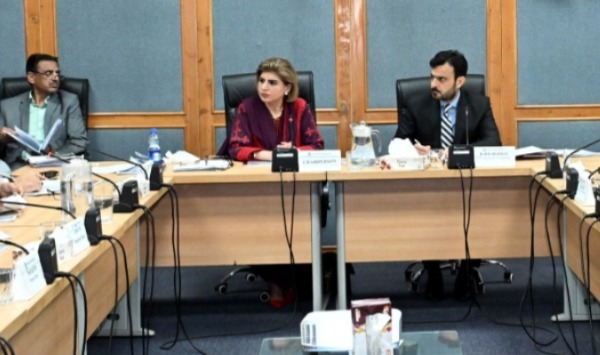
The Functional Committee on Human Rights examined the Jaranwala violence case after members learned that more than 5,000 people were initially accused while only 382 arrests have been made so far. Chaired by Senator Samina Mumtaz Zehri at Old PIPS Hall, Parliament Lodges in Islamabad, the committee received a detailed briefing that raised serious questions about the pace of investigations and the identification of perpetrators in attacks targeting churches and the Christian community.
Officials cited the Supreme Court report showing the large number of accused, and committee members expressed deep concern about the gap between those figures and actual arrests. Lawmakers pressed for clarity on how perpetrators were being tracked and whether evidence-gathering and identification processes had been thorough enough to support wider arrests in the Jaranwala violence matter.
The committee also revisited an earlier pledge by the then prime minister to provide compensation to affected Christian families. Members emphasised that relief should not be delayed for those who suffered damage, displacement and fear and urged authorities to ensure that promised compensation is paid without further procrastination.
Senator Samina Mumtaz Zehri directed that the Supreme Court report submitted in the case be presented to the committee at its next meeting and recommended that the Special Branch record also be produced. Members underlined that the Special Branch file may contain critical information about alleged police lapses and administrative negligence during the escalation of violence.
Committee members warned that the inquiry must go beyond counting arrests and include a review of how law enforcement responded on the ground and why the violence was not prevented. They said that if police negligence or administrative failure contributed to the escalation, responsible officials must be identified and held to account to restore public confidence and uphold minority protections.
Participants stressed that attacks on places of worship and minority communities cannot be treated as ordinary law and order incidents. The committee made clear that transparent records — including the Supreme Court report, Special Branch findings, compensation status and progress of criminal proceedings — are essential to deliver justice, protect communal harmony and safeguard Pakistan’s image both domestically and internationally.
The Functional Committee on Human Rights confirmed it will continue parliamentary oversight of the Jaranwala violence case and said further details will be reviewed in the next meeting after receiving the requested Supreme Court and Special Branch documents.