



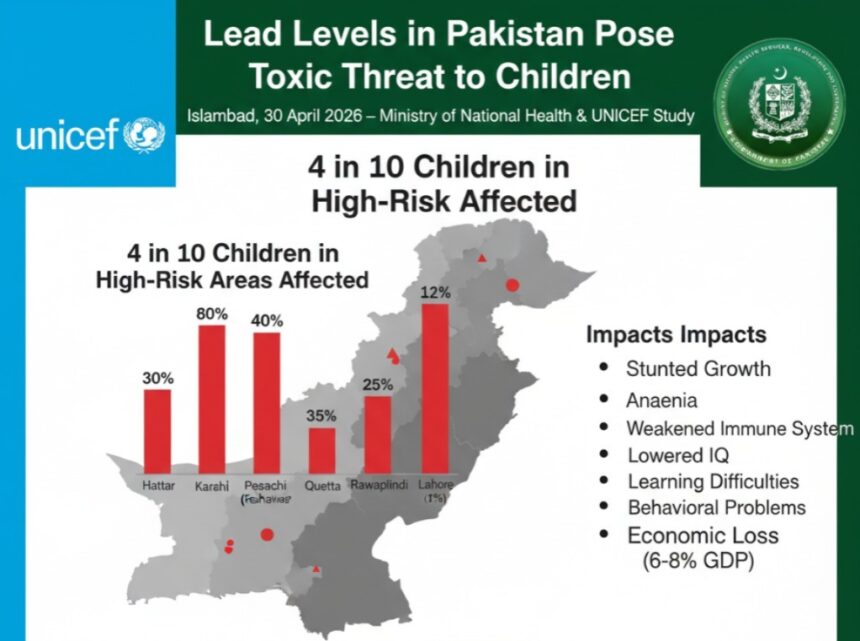
A joint study by the Ministry of National Health Services, Regulations and Coordination and UNICEF found that four in ten children aged 12–36 months living in high-risk areas of seven Pakistani cities have lead in their blood. Elevated lead levels can stunt growth, cause anaemia, weaken the immune system and impair cognitive development, increasing the risk of learning and behavioural problems.
The survey sampled more than 2,100 children in high-risk industrial neighbourhoods in Haripur, Islamabad, Karachi, Lahore, Peshawar, Quetta and Rawalpindi and showed wide variation between locations. Children living in Hattar, Haripur were the most affected, with 88 percent recorded with high lead levels, while just 1 percent of children in sampled areas of Islamabad had high levels.
The study points to multiple potential sources of exposure that align with global evidence, including industrial emissions, informal battery recycling, lead-based paints, contaminated spices and food, and traditional cosmetics. Persisting risks are linked to gaps in regulatory enforcement, monitoring systems and public awareness across provinces.
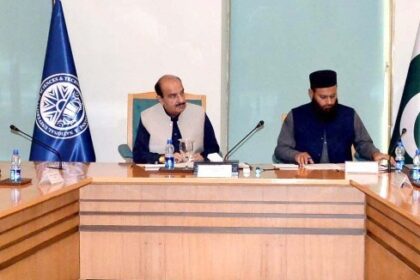
Muhammad Aslam Ghauri of the Ministry said protecting children from lead exposure is a national public health priority and that the government is committed to strengthening surveillance, improving enforcement of standards and integrating prevention into child health programmes nationwide.
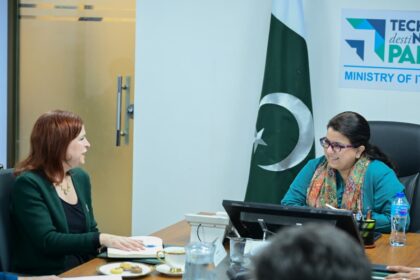
Pernille Ironside, UNICEF Representative in Pakistan, highlighted that children absorb far more lead than adults and that there is no safe level of exposure. UNICEF underlined its commitment to strengthening the evidence base, advancing environmental health and supporting cross‑sector action to protect children from this toxic threat.
Global estimates cited alongside the findings suggest the burden could be much higher nationally, with up to eight in ten children in Pakistan potentially affected. The long-term costs of lead exposure are significant, with losses to learning and lifetime productivity estimated at 6–8 percent of GDP, equivalent to roughly USD 25–35 billion annually.
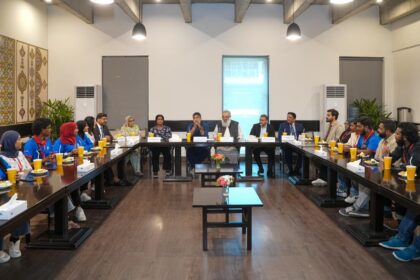
The launch brought together government, UN and partner organisations to agree priority actions, including a national action plan to remove lead from high-risk products, establishing blood lead surveillance within child health programmes, stepped-up public awareness campaigns, a government-led multi-sectoral task force and improved evidence to guide investment. A nationally representative survey is planned later this year to assess lead exposure among children and pregnant women and to inform targeted policy and programme responses.
The event coincided with a visit by the Partnership for a Lead-Free Future aimed at technical exchange and coordination to support Pakistan’s goal of eliminating childhood lead poisoning by 2040.