



Pakistan Unveils First Domestic Tea Commercialization Strategy to Build a Home-Grown Tea Industry
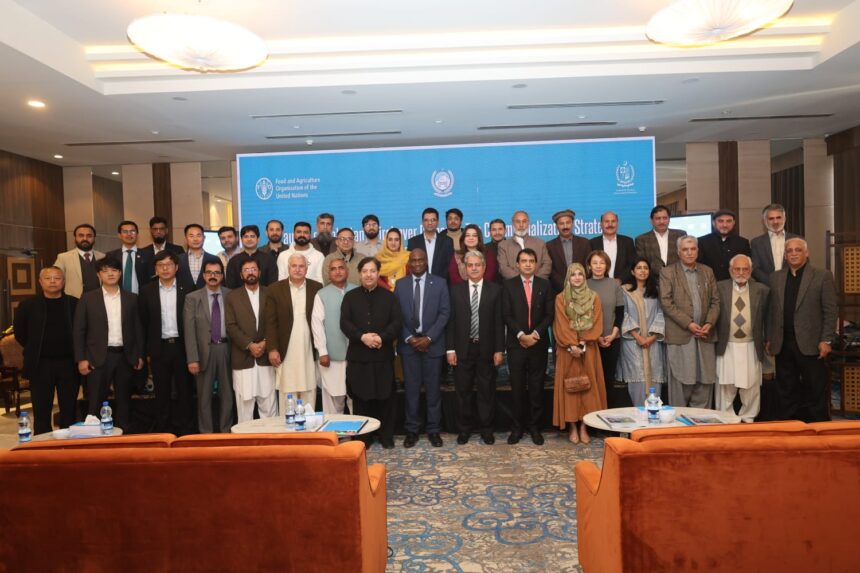
Pakistan has launched its first Domestic Tea Commercialization Strategy, setting the country on a path toward producing its own high-quality tea and reducing reliance on costly imports. The initiative, developed with technical support from the Food and Agriculture Organization of the United Nations, outlines a long-term plan to cultivate climate-smart tea in Khyber Pakhtunkhwa, create rural jobs, attract private investment, and build a modern, vertically integrated national tea industry.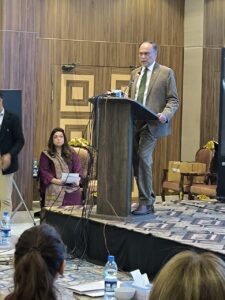
The strategy focuses on lowering Pakistan’s heavy annual tea import bill by expanding domestic cultivation in suitable agroclimatic zones. The first phase begins in Mansehra district, where 600 acres will be planted with millions of nursery-raised tea plants. Farmers will receive FAO-led training in modern production practices, while small-scale processing facilities close to plantation sites are expected to reduce post-harvest losses and maintain quality. Government-backed, interest-free financing will support farmers in adopting tea as a profitable long-term crop.
This initial phase is expected to generate thousands of jobs and produce large volumes of high-quality green leaf in the coming years. As the industry expands, it is projected to uplift tens of thousands of rural residents through new livelihood opportunities, value-chain participation, and strengthened local economies.
Senior government officials highlighted the strategic potential of the new industry, noting its contributions to environmental sustainability, soil conservation, climate resilience, and increased participation of women in the rural workforce. They also emphasized the opportunities for local branding, eco-tourism, and broader economic diversification.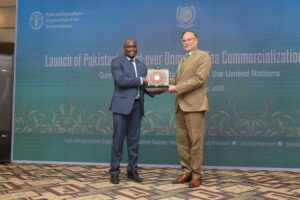
FAO representatives reaffirmed the organization’s commitment to supporting Pakistan through technical assistance, research collaboration, farmer training, and coordination with investors and development partners. They noted that Pakistan’s agroclimatic suitability, scientific capacity, and motivated farming communities make domestic tea production a promising and achievable goal.
International experts underscored Pakistan’s advantage in producing high-quality orthodox tea, which aligns with shifting consumer preferences. This transition offers Pakistan an opportunity to retain significant foreign exchange, reduce import dependency, and build a sustainable tea sector that benefits both communities and the environment.
With the launch of this landmark strategy, Pakistan moves into a new era—one where tea is locally grown, rural economies are strengthened, and the country advances toward greater agricultural resilience and self-reliance.
Read in Urdu : ملک کو چائے میں خود کفیل بنانے کے لیے نئی قومی حکمتِ عملی