Pakistan’s Pivotal Role in Regional Stability and the Path to Economic Prosperity
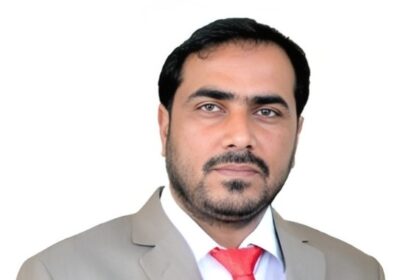
Professor Nadeem Iqbal: National skills University Islamabad
(nadeem.iqbal@nsu.edu.pk), Drnadeemiqbal1@gmail.com
In the turbulent landscape of global geopolitics, Pakistan has emerged as a beacon of diplomacy and restraint during the recent Iran-US conflict. Through proactive mediation and strategic engagement, Pakistan not only helped de-escalate a dangerous confrontation but also played a decisive role in averting what could have spiraled into a broader regional catastrophe, potentially drawing the world closer to World War III. As the conflict between the United States and Iran intensified in early 2026, with military actions threatening vital maritime routes like the Strait of Hormuz, Pakistan leveraged its unique position—maintaining cordial ties with both Washington and Tehran—to facilitate dialogue. Pakistani officials, including high-level military and civilian leaders, shuttled proposals between the two sides, hosted critical talks in Islamabad, and collaborated with partners like Qatar, China, Saudi Arabia, and others to broker a ceasefire. This intervention earned widespread international acclaim, with observers worldwide recognizing Pakistan’s efforts as instrumental in restoring a fragile peace.
Pakistan’s neutrality, geographic proximity to Iran, and established channels of communication made it an ideal mediator. Unlike many nations entangled in military alliances that might have biased their approach, Islamabad positioned itself as a reliable bridge. The Pakistani Embassy in Washington has long handled Iranian interests, providing a stable diplomatic conduit even during severed US-Iran relations. Army Chief Field Marshal Asim Munir and other leaders engaged directly with Iranian counterparts and US officials, contributing to the April ceasefire and subsequent negotiations. This mediation not only prevented further escalation that could have engulfed the Middle East but also safeguarded global energy supplies and economic stability. By keeping communication alive at critical junctures, Pakistan demonstrated statesmanship that prioritized human lives and regional harmony over short-term gains. The world has applauded this contribution, viewing Pakistan as a responsible actor that punched above its weight in preventing a larger war. Leaders and analysts have highlighted how Islamabad’s persistence helped avert a scenario where proxy conflicts, missile exchanges, and blockades could have triggered uncontrollable alliances and global repercussions.
With this diplomatic capital now secured, it is imperative for Pakistan to translate its positive global image into tangible economic benefits. The post-conflict environment offers unprecedented opportunities for trade, investment, and collaboration, particularly with Iran and Gulf nations. One of the most promising avenues lies in energy cooperation with Iran. As a neighbor possessing vast reserves of oil and natural gas, Iran can become a key supplier to Pakistan, significantly reducing the country’s energy import bills. Reviving and accelerating the long-discussed Iran-Pakistan gas pipeline project would provide affordable gas, lowering electricity and fuel prices for Pakistani industries and households. Cheaper energy inputs would boost manufacturing competitiveness, curb inflation, and stimulate economic growth. Direct overland imports would cut shipping costs and transit times compared to distant suppliers, offering immediate relief to Pakistan’s energy crisis. In a stabilized region, sanctions relief on Iran could further facilitate seamless trade, benefiting both nations through mutual energy security.
Beyond energy, Pakistan should expand defense trade partnerships with Iran, Qatar, Kuwait, and Saudi Arabia. These countries share security concerns and interests in regional stability. Pakistan’s expertise in defense manufacturing and its battle-hardened armed forces position it well to export equipment, training, and technology. Collaborative ventures in joint production or maintenance could generate substantial revenue, create jobs, and strengthen strategic ties. Such exchanges would not only diversify Pakistan’s export base but also enhance interoperability among regional forces, contributing to collective security.
Another vital strategy involves deploying Pakistan’s skilled workforce to these countries. Pakistani professionals in engineering, construction, healthcare, and technical fields are highly regarded across the Gulf and Iran. Facilitating labor mobility through bilateral agreements could increase remittances, a cornerstone of Pakistan’s economy. These workers would participate in reconstruction and development projects post-conflict, sending billions back home while gaining valuable experience. To complement this, educational collaborations should be prioritized. Exchange programs, joint research initiatives, and scholarship schemes with Iranian and Gulf universities would expose Pakistani students to diverse academic environments, fostering innovation and cultural understanding. Reciprocal student flows would build long-term people-to-people ties, creating a cadre of professionals equipped for regional integration.
Iran, in turn, can establish industries in Pakistan, particularly in Special Economic Zones. Leveraging Pakistan’s young population and improving infrastructure, Iranian firms could invest in sectors like petrochemicals, textiles, and pharmaceuticals. This would transfer technology, create employment, and integrate supply chains. The development of Gwadar Port stands out as a transformative project. As part of the China-Pakistan Economic Corridor (CPEC), Gwadar has the potential to serve as a hub connecting Iran, China, Central Asia, and the Arabian Sea. Enhanced connectivity through road and rail networks would facilitate trade flows, reduce logistics costs, and position Pakistan as a regional transit powerhouse. Iranian participation in Gwadar-related projects could unlock new markets, while deeper integration with China would amplify these benefits through technology, investment, and market access. China’s strategic partnership with both Pakistan and Iran offers a platform for trilateral economic initiatives, boosting infrastructure, energy, and digital connectivity across the region.
To realize these opportunities, Pakistan must pursue proactive diplomacy, streamline regulatory frameworks, and ensure political stability. Investment in human capital, anti-corruption measures, and infrastructure upgrades will be essential to attract foreign partners. By building on its diplomatic success, Pakistan can foster inclusive growth that benefits not only its citizens but also contributes to broader regional prosperity. The global community, appreciative of Pakistan’s role in averting crisis, is likely to support these endeavors through favorable trade policies and development assistance.
In conclusion, Pakistan’s commendable mediation in the Iran-US conflict has safeguarded the world from greater turmoil and elevated its international standing. Now is the moment to harness this momentum for economic advancement. Through robust energy trade with Iran, diversified defense partnerships, skilled labor exports, educational exchanges, industrial investments, and the strategic development of Gwadar linked to China, Pakistan can achieve sustained growth, reduce poverty, and emerge as an economic leader in South and West Asia. This forward-looking vision aligns national interests with regional peace, promising a brighter future for generations to come.