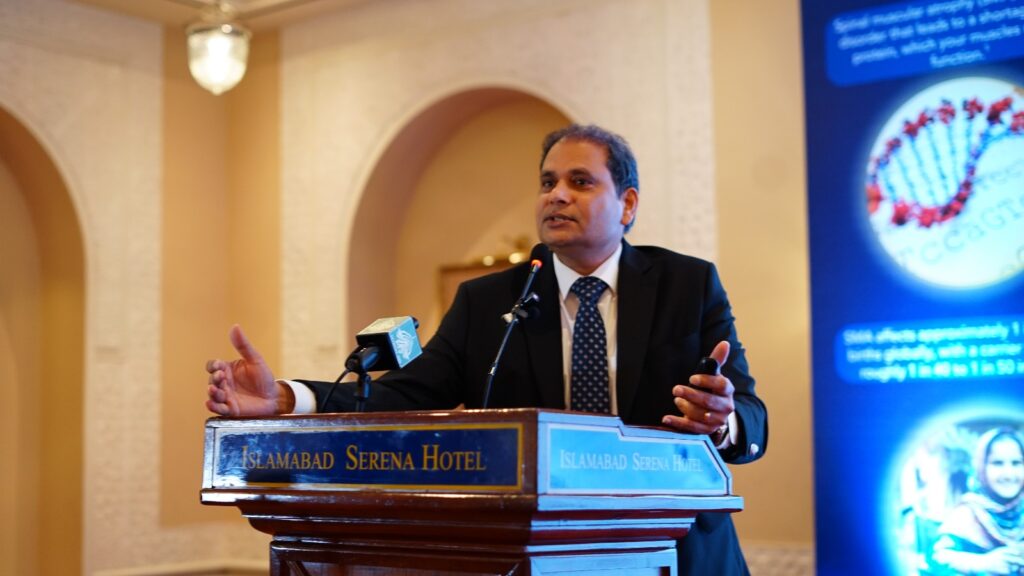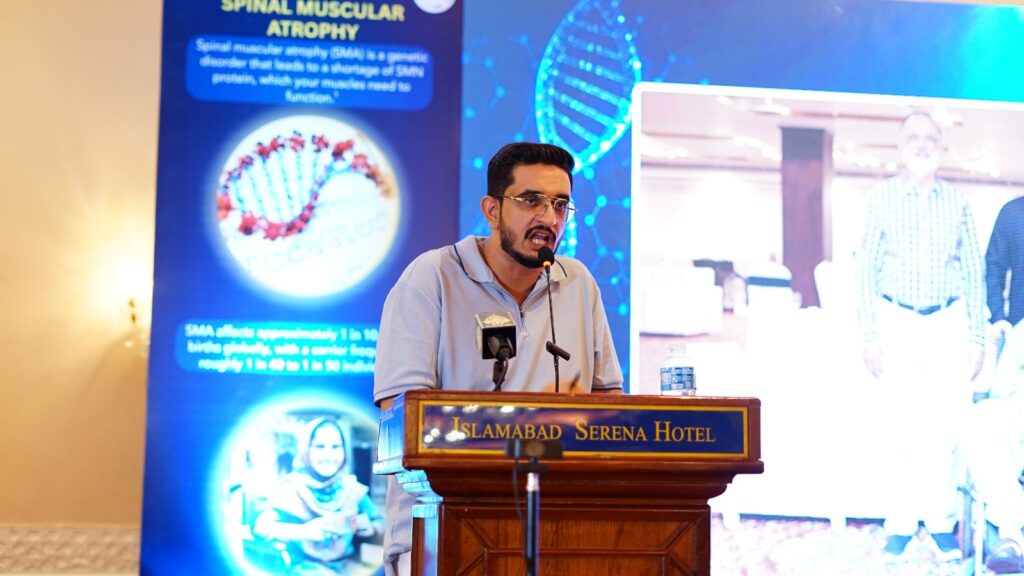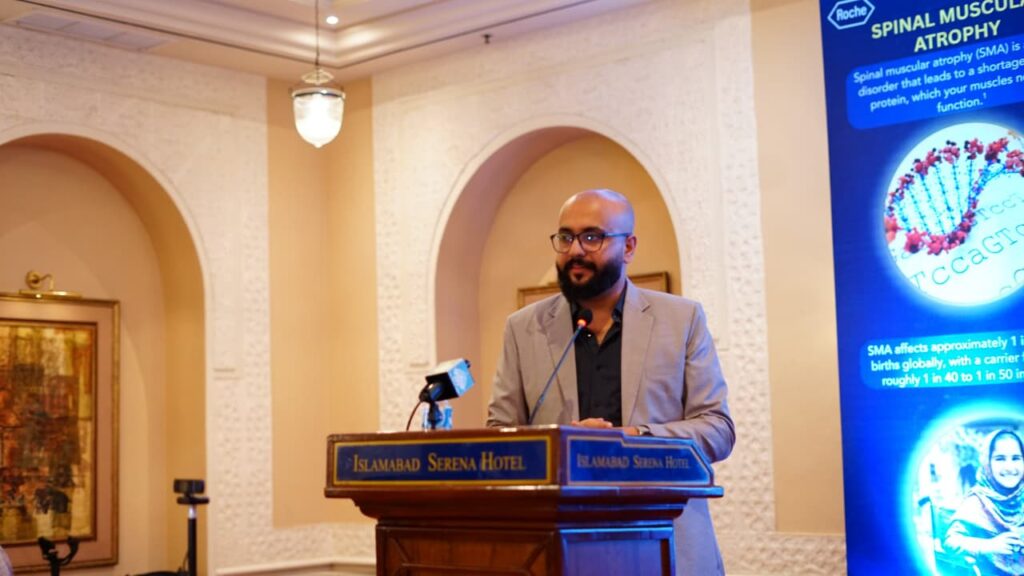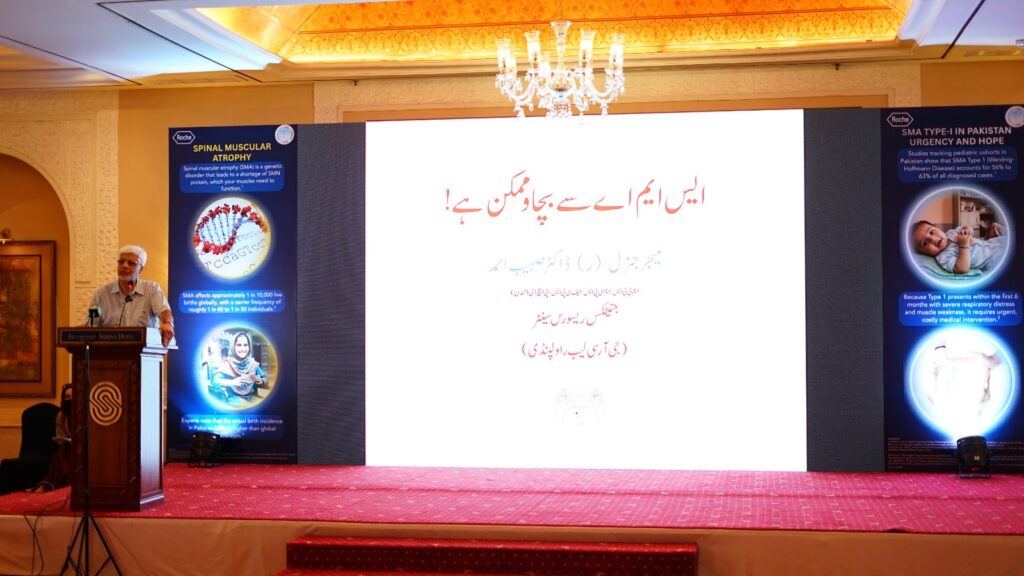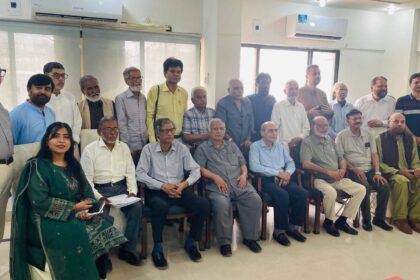




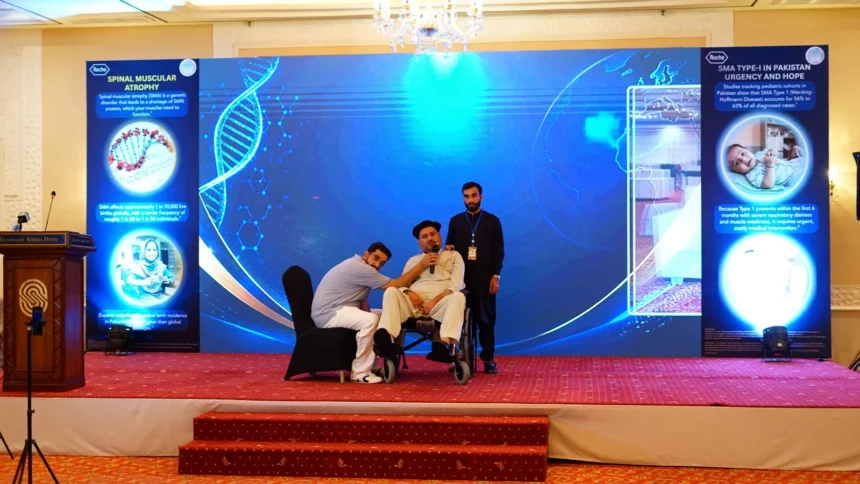
ISLAMABAD: The Pakistan SMA Symposium 2026, organised by STRIVE – Strive Eradication of Disability Foundation, was held at Serena Hotel Islamabad, bringing together leading doctors, professors, researchers, medical experts, academics, civil society representatives, volunteers and families affected by Spinal Muscular Atrophy (SMA).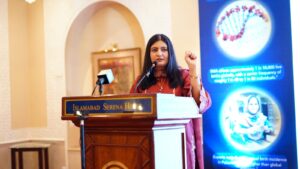
The symposium focused on creating awareness about SMA, promoting early diagnosis, discussing modern treatment options, genetic screening, medical research and the challenges faced by patients and their families. The gathering also provided a platform for medical professionals and researchers to exchange views on the future of SMA care and research in Pakistan.
Chief Health Sector Reforms Unit (HSRU) Khyber Pakhtunkhwa Dr Syed Ejaz Ali Shah, Chairman Zakat and Ushr Council Khyber Pakhtunkhwa Imtiaz Khan and Chairman STRIVE Muhammad Yasir Khan were among the prominent participants. Doctors, medical specialists, researchers, representatives of civil society, SMA-affected families and people from different walks of life also attended the event.
A key feature of the symposium was the participation of professors, heads of departments and academic experts from various universities in Islamabad and Rawalpindi. The experts shared their views on SMA, genetic disorders, medical research, recent developments in treatment and the future direction of medical science.
Researchers working on SMA at the international level also participated in the symposium. Experts and researchers from Poland, the United Kingdom and other European countries joined the gathering, giving the event an international academic and research dimension.
The participation of foreign researchers provided an opportunity to strengthen links between ongoing efforts in Pakistan and international research and developments in the field of SMA. Participants stressed the need for greater cooperation between Pakistani institutions and international research communities to improve knowledge, diagnosis and care for people living with rare diseases.
Addressing the gathering, Chief HSRU Khyber Pakhtunkhwa Dr Syed Ejaz Ali Shah paid tribute to parents and families of SMA patients for their continued struggle and resilience. He said the efforts of families working for the better lives and futures of their children deserved recognition and appreciation.
Dr Shah emphasised that awareness about complex and rare diseases such as SMA must be accompanied by effective support for patients and their families. He highlighted the importance of collective efforts involving healthcare professionals, families, government institutions and other stakeholders.
Chairman STRIVE Muhammad Yasir Khan said SMA was not merely a medical condition but had become a wider struggle requiring the combined efforts of patients, parents, doctors, researchers, government institutions, media, civil society and social organisations.
He said STRIVE was working to take awareness about SMA to different parts of the country, promote early diagnosis, encourage research and help create better pathways for patients to access treatment and necessary healthcare facilities.
Yasir Khan also announced that STRIVE would organise a major SMA Summit on October 30 and 31, 2026, at Tulip Marquee Islamabad. He said the proposed summit would be one of the largest gatherings of its kind in Pakistan and would bring patients, parents, doctors, medical specialists, national and international researchers, policymakers, universities, civil society organisations, volunteers and other relevant stakeholders together under one roof.
During the symposium, speakers discussed the symptoms of Spinal Muscular Atrophy, the importance of timely diagnosis, genetic screening, modern treatment, patient care, research and future strategies for addressing SMA in Pakistan.
Doctors and researchers emphasised that early diagnosis, proper medical guidance and access to modern treatment could play an important role in improving the quality of life of children and individuals affected by SMA. They also stressed the need for greater public awareness so that families could recognise the condition and seek appropriate medical advice at an early stage.
Participants observed that Pakistan required further efforts in public awareness, medical facilities, genetic diagnosis, research and policymaking related to SMA. Strengthening these areas, they said, could help provide better support to children living with the condition and their families.
The symposium also highlighted the importance of building stronger cooperation between universities, healthcare institutions, researchers, policymakers and international organisations. Such collaboration, participants said, could help Pakistan benefit from global scientific developments while encouraging local research into rare diseases.
At the conclusion of the event, participants expressed their commitment to expanding awareness, research and advocacy for the rights and needs of people affected by SMA. They stressed the importance of developing stronger links between government institutions, universities, the medical community, media, civil society, patients and their families.
The organisers said the Pakistan SMA Symposium 2026 was more than a single event, describing it as an important step towards creating a collective voice and sustained movement for greater awareness, research, early diagnosis and improved support for SMA patients in Pakistan.
The gathering also reflected growing efforts by medical professionals, researchers, families and civil society organisations to place rare diseases on the national health agenda and promote a more informed, inclusive and supportive healthcare environment for affected individuals and their families.