



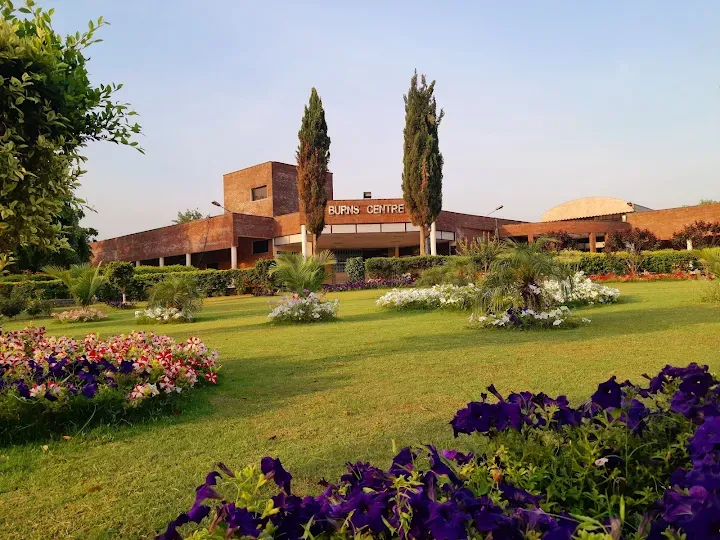
ISLAMABAD: The Burn Centre at the Pakistan Institute of Medical Sciences (PIMS) has recorded landmark progress in plastic, reconstructive and burn surgery, establishing itself as a leading facility for specialised clinical care under the leadership of Professor Dr Abdul Khaliq Malik, Head of the Burn Centre.
Backed by a dedicated team of more than 25 doctors, the Centre has successfully performed thousands of complex procedures over the past two years. Its clinical work covers acute burn management, early surgical excision, delicate skin grafting and intricate reconstruction of the face, hands and other severely affected body parts.
To build on these achievements, a PC-I project worth approximately Rs1 billion has been prepared for the comprehensive upgradation of plastic and reconstructive surgery services. The proposed project envisages state-of-the-art medical equipment, expanded modern infrastructure and recruitment of additional qualified medical and nursing personnel.
The Centre has also received international support, including overseas donations from doctors in the United States and the United Kingdom valued at over Rs20 million. The assistance includes five ventilators, an anaesthesia machine and specialised skin-harvesting instruments.
Key contributions by General (Retd) Azhar Kiyani, Adviser to the Prime Minister, and Professor Tanveer Khaliq, Head of PIMS Hospital, played an important role in facilitating this international assistance.
Medical experts and stakeholders have also stressed the immediate modernisation of the Burn Centre’s faculty service rules by the Ministry of National Health Services to align the institution’s clinical excellence with global healthcare standards.
According to the stakeholders, the existing regulations are outdated and allow non-specialised general surgeons without prior teaching experience to assume key academic leadership roles, including Assistant Professor or Associate Professor.
They have emphasised that updating the service criteria to require postgraduate qualifications in plastic and reconstructive surgery, along with relevant clinical and teaching experience, would bring PIMS in line with international best practices.
With the PIMS Board of Governors fully recognising the achievements of the current team, the prompt approval of the Rs1 billion PC-I by the government and timely revision of service rules by the ministry are seen as essential to safeguarding clinical standards, strengthening academic excellence and ensuring high-quality specialised care for patients across the region.