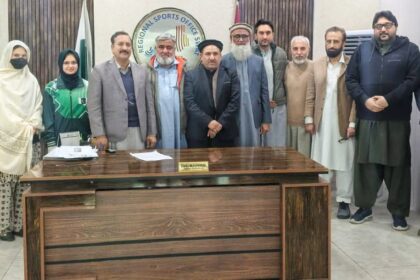





In Islamabad Quaid-i-Azam University has formally launched its e-Office system as part of a broader move to modernize campus operations and shorten administrative workflows. The deployment was inaugurated by Vice-Chancellor Prof Dr Niaz Akhtar alongside a hands-on training workshop for faculty and administrative staff to ensure smooth adoption of the new platform.
Senior management and notable alumni attended the launch, with generous support from graduates including Rehan Saeed Khan, Azam Habib, Dr Ghulam Ali Mallah and Dr Shahzad Ali Gill. Their contribution underlines a growing pattern of alumni engagement aimed at strengthening institutional capacity and enabling sustainable digital transformation at QAU.
The e-Office introduces a paperless workflow across academic and administrative units, allowing users to digitally create, forward, track and archive files. A personalized digital workspace called My Desk gives staff real-time visibility of pending actions, urgent items and completed tasks, helping to prioritise work and speed decision-making.
Built-in audit trails and document tracking are core elements of the system, improving transparency and accountability across offices and supporting stronger governance in line with public-sector best practices. The platform is expected to reduce administrative bottlenecks and provide reliable access to official records when needed.
Beyond operational gains the e-Office supports QAU’s environmental goals by significantly cutting paper consumption, contributing to a greener campus. University leaders highlighted that the technology, combined with behavioural change among staff, will deliver both efficiency and sustainability benefits.
Management emphasised that full benefits depend on collective adoption: active participation by faculty and staff will be essential to embed the e-Office into daily routines and establish a culture of digital professionalism. With this initiative QAU aims to become a more transparent, responsive and future-ready institution where alumni, administration and academics collaborate to build a smarter campus.