



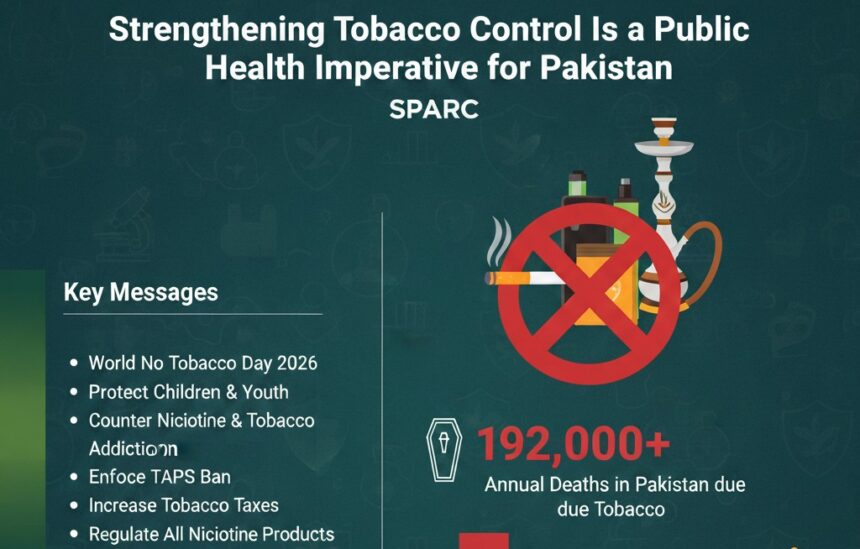
On World No Tobacco Day 2026 the Society for the Protection of the Rights of the Child (SPARC) urged urgent measures to strengthen tobacco control in Pakistan, stressing the need to protect children and young people from nicotine addiction and curb the growing appeal of new products.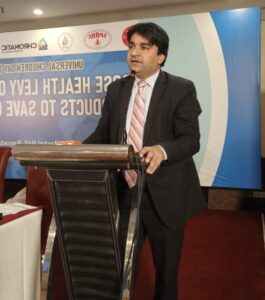
SPARC Program Manager Dr. Khalil Ahmad Dogar noted that this year’s theme, Unmasking the Appeal – Countering Nicotine and Tobacco Addiction, exposes industry tactics that attract new users through flavored products, deceptive marketing and attractive packaging. He warned that emerging nicotine products such as e-cigarettes, heated tobacco products and nicotine pouches are being promoted in ways that particularly entice youth.
Quoting World Health Organization data, Dr. Khalil reminded readers that tobacco kills more than 8 million people globally each year, including about 1.3 million non-smokers who die from exposure to second-hand smoke. In Pakistan tobacco use is responsible for more than 192,000 deaths annually, equivalent to over 526 deaths every day, while nearly 1,200 children aged 6 to 15 begin smoking each day, creating a new generation vulnerable to lifelong addiction.
Beyond health consequences, SPARC highlighted the heavy economic toll of tobacco. Pakistan loses an estimated Rs. 1,835 billion every year to tobacco-related healthcare costs, lost productivity and premature deaths, losses that far exceed revenue from tobacco taxation and divert resources from national development.
Dr. Khalil pointed out that Pakistan has ratified the WHO Framework Convention on Tobacco Control and has implemented MPOWER measures including smoke-free laws, restrictions on tobacco advertising, prohibitions on sales to minors, pictorial health warnings and tax increases. However, he stressed that enforcement gaps and weak regulation of new nicotine products undermine progress in tobacco control.
SPARC called for stronger actions to reduce affordability through higher tobacco taxes, expansion of graphic health warnings to align with international best practices, rigorous enforcement of bans on tobacco advertising, promotion and sponsorship, and a comprehensive regulatory framework for emerging nicotine and tobacco products to prevent youth uptake.
“World No Tobacco Day serves as a powerful reminder that tobacco addiction continues to threaten the health, well-being, and future of millions of Pakistanis, particularly children and youth,” Dr. Khalil said, urging the government to strengthen taxation, enforce advertising bans, regulate all nicotine products and invest in sustainable tobacco control programmes.
SPARC emphasised that protecting children from nicotine addiction requires coordinated action by government institutions, parliamentarians, healthcare professionals, educators, civil society organisations, parents and the media to create a tobacco-free environment and safeguard future generations.